
20 Thorny Fruit Plants That Are Worth Growing
Fruit trees like citrus, barberry, prickly pear, and many others have thorns. But why do these plants develop such sharp defenses? As you might have guessed, thorns serve as a natural protection. In the wild, they help safeguard valuable fruit from grazing animals, giving the plant a better chance to mature and reproduce. For fruit growers, thorny fruit trees also come with other unique benefits:
- They are naturally resistant to some pests.
- They can be used to create protective hedgerows.
- Many thorny fruit plants thrive in tough environments where other crops might struggle.
Many of these plants also hold cultural and ecological importance. For instance, some are ancient cultivars with medicinal uses, while others provide essential food for pollinators and wildlife. So, despite their prickly nature, planting thorny fruit trees in your backyard offers more than just the harvestable fruits—they also add resilience and enhance the diversity of your orchard or garden.
In this post, I’m going to highlight 20 thorny fruit plants that you should consider adding to your garden. These fruit trees are not only productive but also support biodiversity, promote sustainability, and provide practical landscaping solutions.
1. Blackberry
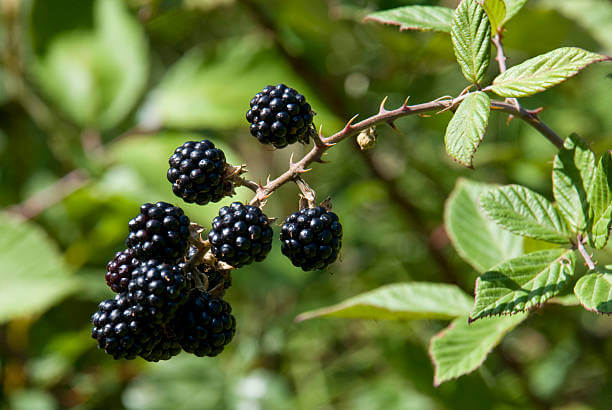
Wild and cultivated blackberries are very thorny. They have long, arching stems covered in small, curved thorns that catch on anything that touches or come close to them. These thorns help protect the plant by keeping grazing animals and other threats away, ensuring the fruit can develop and reproduce successfully. Even with their thorns, blackberries give plenty of sweet, antioxidant-rich fruits and help feed pollinators during their flowering season.
2. Raspberry
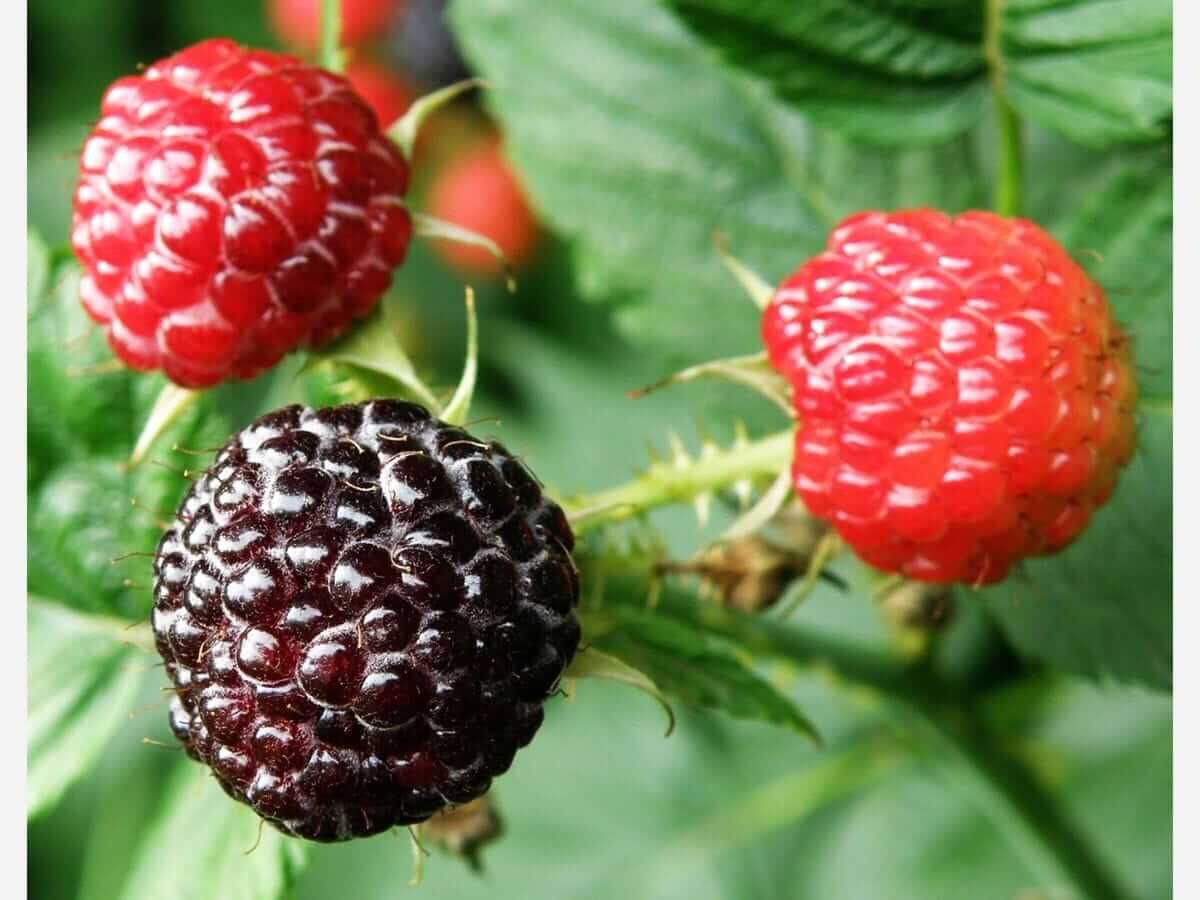
Like blackberries, raspberries grow on stems or canes that are typically covered in tiny thorns or bristles. While not as aggressively armed as some of their wild relatives, the thorns still make harvesting the fruits a cautious task. These plants grow well in temperate climates and give fruit that you can eat fresh or use to make jams and desserts.
3. Gooseberry
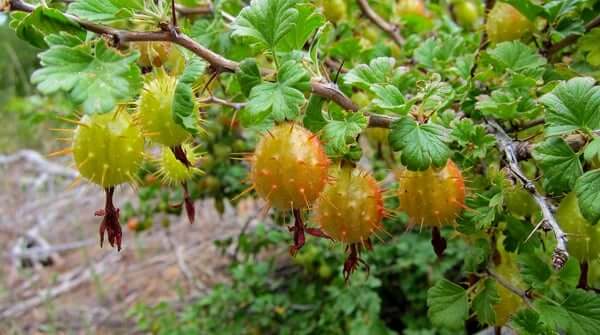
Gooseberries grow as compact, spiny shrubs with stiff, needle-like thorns emerging from leaf axils. These thorns help shield the tart green or red fruit from birds and herbivores. Gooseberries tolerate shade better than many fruits and are a popular choice in cottage gardens and heritage orchards.
4. Barberry
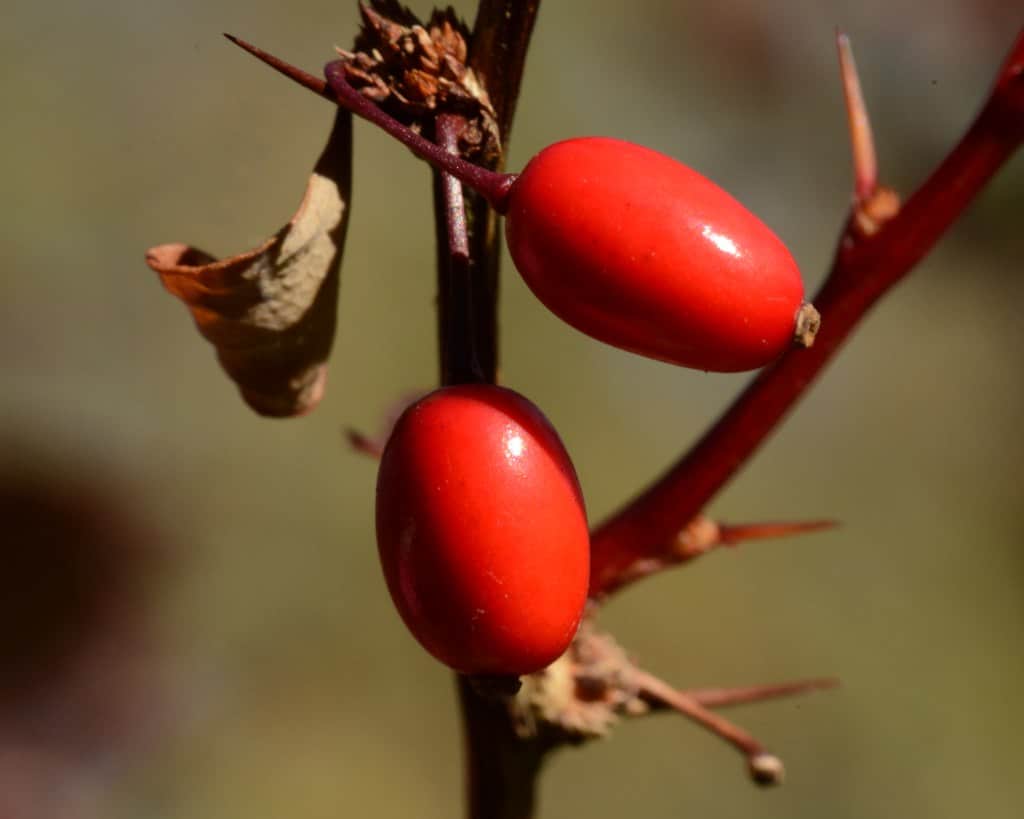
Both native and ornamental barberries are covered in slender, sharp thorns, usually at the base of each leaf cluster. Although they are popular for their striking foliage and bright berries, some species bear edible fruit. They’re often used in hedging or erosion control, though certain species like Japanese barberry have become invasive in parts of North America.
5. Citrus Trees (Lemon, Lime, Orange)
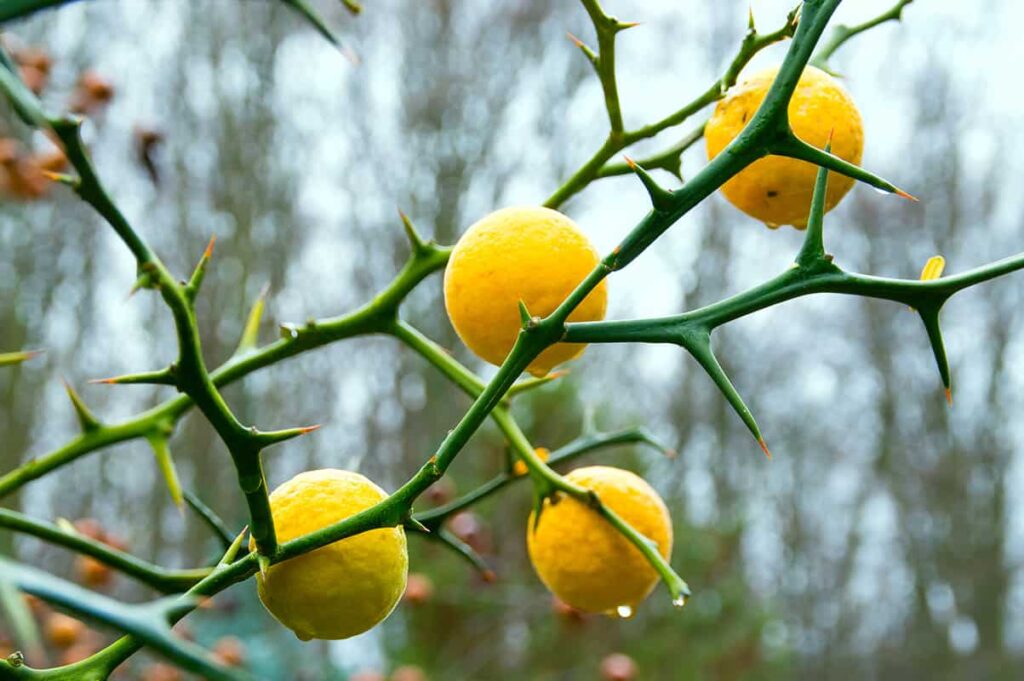
Many citrus trees, particularly older or wild varieties, feature hard, straight thorns along their branches. Like the fruit trees mentioned above, these thorns help protect young fruit from animals and other threats that could interfere with their growth and reproduction. While many modern cultivars are thornless or nearly so, the thorny types are often more vigorous and hardy.
6. Pomegranate
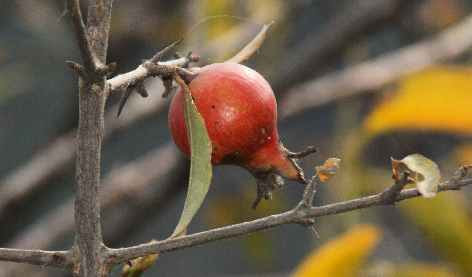
This Mediterranean-native shrub or small tree has rigid, thorn-tipped branches that form a natural barrier. The thorns not only defend the juicy, seed-filled fruit but also make pomegranates useful in security hedges. The plant is drought-tolerant and thrives in arid regions, where it produces beautiful blossoms that attract pollinators.
7. Jujube
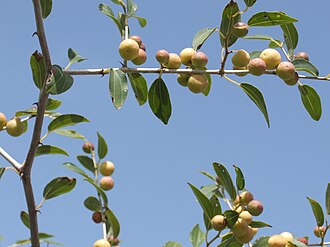
Also known as Chinese date, the jujube tree is armed with sharp spines, especially on young shoots. These thorns are more prominent in wild or semi-wild varieties. The thorns tend to fade as the tree matures. The tree produces sweet, chewy fruits that are rich in vitamin C and used medicinally across Asia.
8. Date Palm
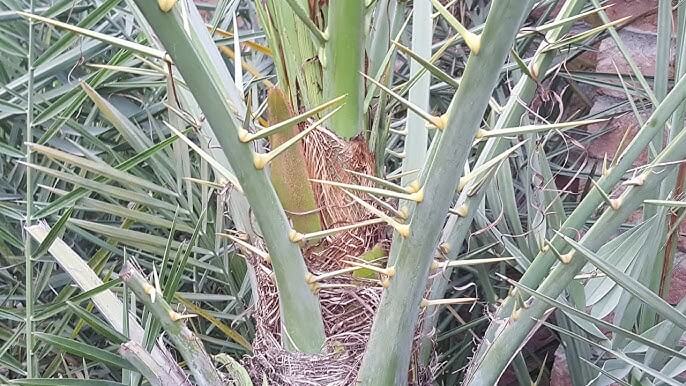
Date palms bear formidable spines at the base of their fronds—stiff, dagger-like projections that can cause serious injury. These evolved to protect the fruit-bearing crown. Native to the Middle East and North Africa, the trees produce one of the world’s most ancient cultivated fruits. Date palms require hot, arid climates to thrive.
9. Kei Apple
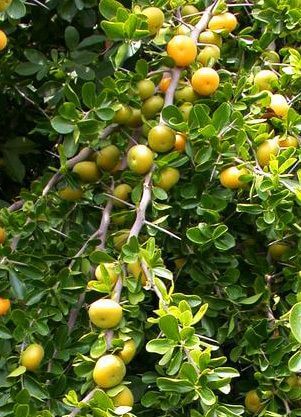
The Kei apple is a dense, spiny shrub from southern Africa.It’s often used as a live fence, and it works perfectly because those long, stiff thorns make it almost impossible to get through. It also yields small yellow fruits with a tart flavor, which some people use to make jams and preserves. It’s also drought-resistant, which makes it perfect for dryland landscaping.
10. Blackthorn / Sloe
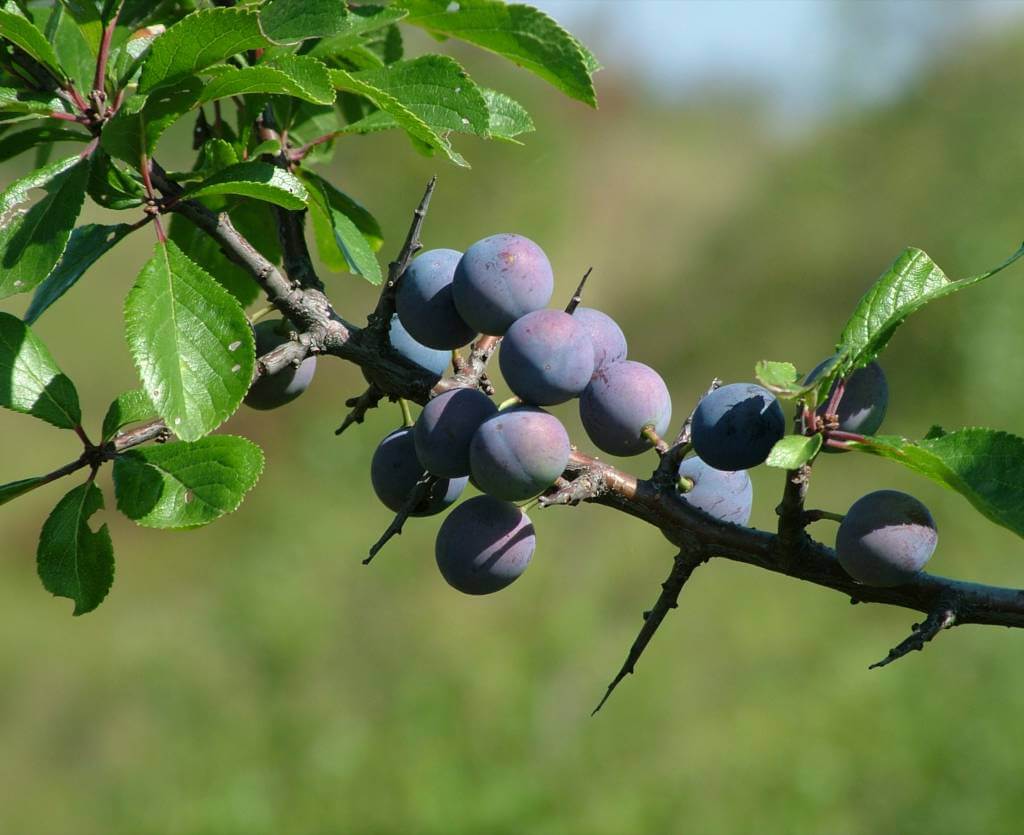
Blackthorn is a wild, shrubby, and very thorny tree native to Europe and West Asia. It’s well known for its long, sharp, dark thorns, which can cause painful infections if they break off in your skin. It produces small, bitter blue-black fruits called sloes, that are often used traditionally to make liqueurs. Its early white blossoms feed pollinators in late winter, well before other fruit plants bloom.
11. Hawthorn
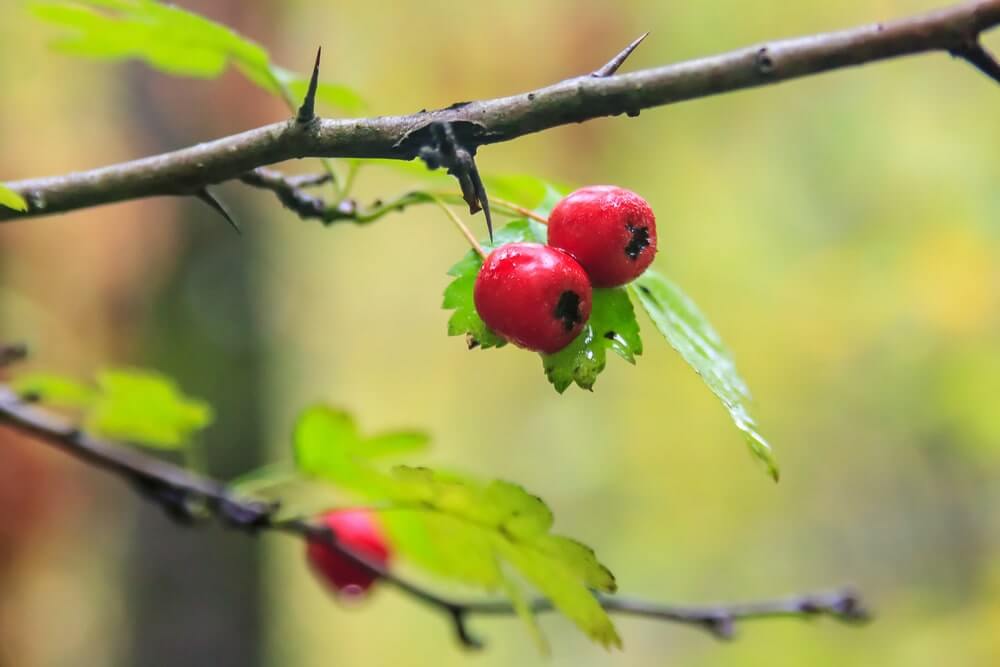
Hawthorns are small trees or large shrubs with robust, woody thorns that can grow over an inch long. These thorns make them ideal fencing or barrier plants. Birds and other wildlife feed on its red fruits (also called “haws”), and people have used them in traditional medicine for heart health. The tree is quite hardy and often thrive even in poor soils.
12. Bael Fruit
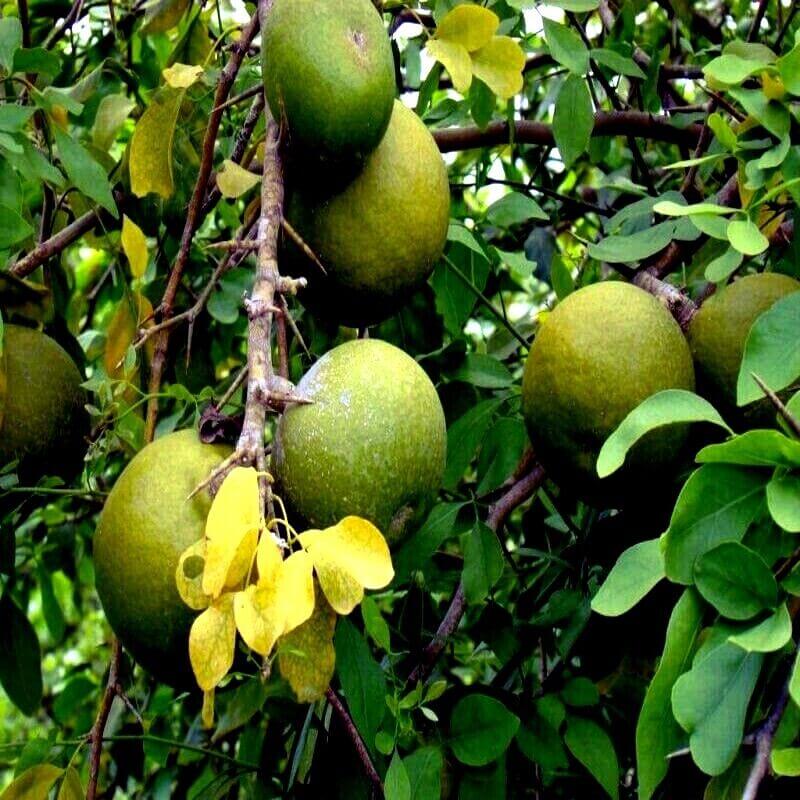
Native to India, the bael tree is armed with strong, straight thorns. It is highly valued in Ayurvedic medicine for its many healing benefits and also holds great importance in Hindu culture. Its fruit, which has a hard woody shell, is used for digestive remedies and religious rituals. Bael thrives in dry climates and has remarkable drought resistance.
13. Salak (Snake Fruit)
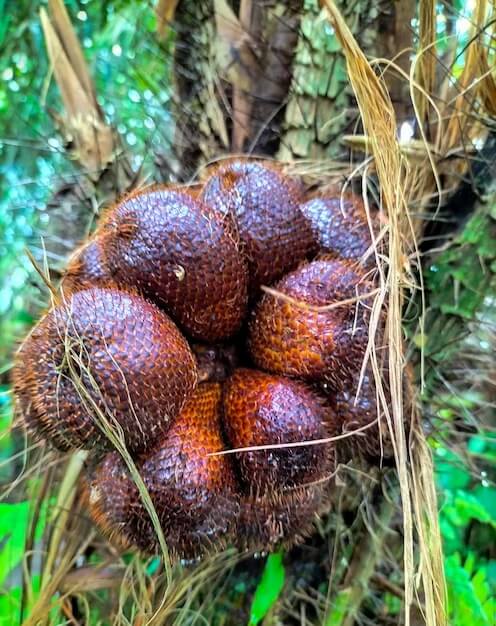
This unusual tropical fruit comes from a short palm with densely packed, needle-sharp spines on its stems and leaf stalks. The reddish-brown fruit has a scaly skin and sweet-tart flesh. Harvesting the fruits is hard because the plant has so many sharp thorns, but the fruit is worth it. It has many benefits: it’s rich in vitamin C and beta-carotene, which help your immune system and eye health; , it’s rich fiber, which supports good digestion and weight control; and contain compounds like pectin and potassium that may help improve memory and brain function.
14. Prickly Pear (Opuntia)
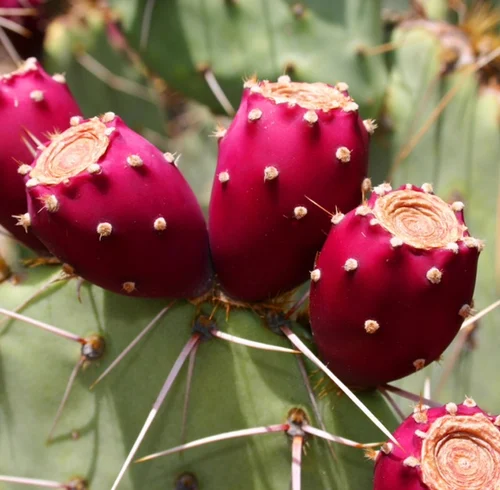
Prickly pears are cacti with fleshy pads covered in large spines and tiny, irritating glochids. The plant produces edible pads (nopales) and fruit (tunas), which are used in traditional dishes and drinks. Its ability to thrive in arid environments makes it a valuable resource in drought-prone regions.
15. Honey Locust
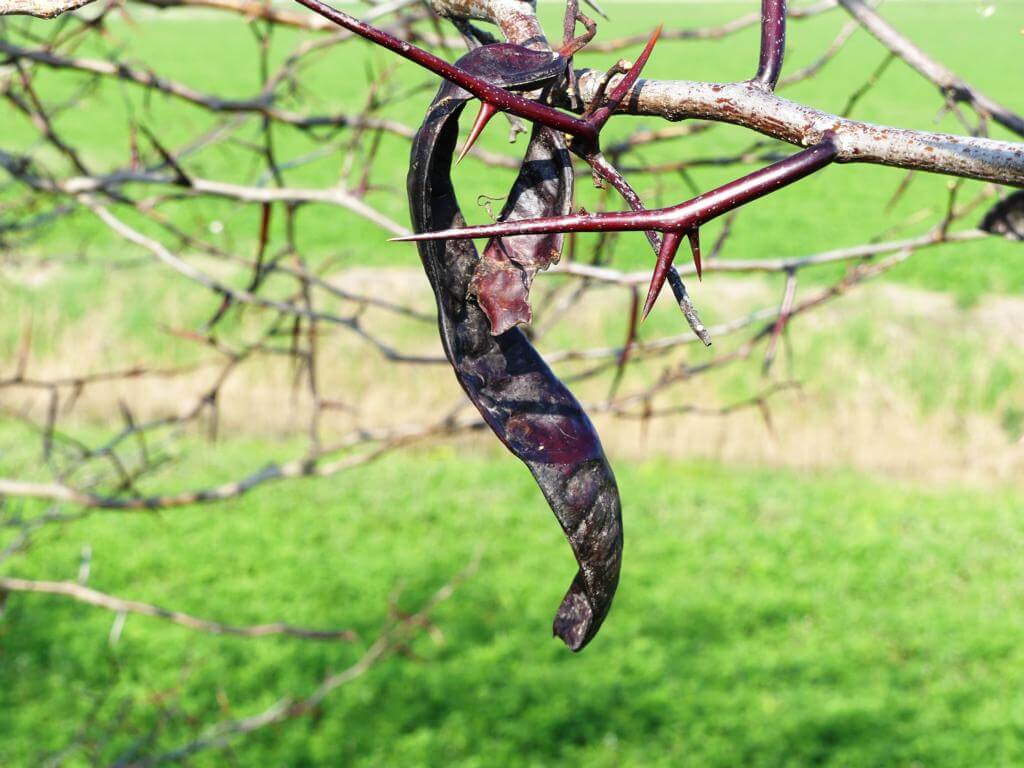
While not a classic fruit tree, the honey locust bears long, twisted seed pods and sometimes massive branched thorns on its trunk and branches. Some trees are nearly thornless, but wild types can have intimidating spines over a foot long. Native American tribes used to eat the sweet pulp from the pods.
16. Governor’s Plum
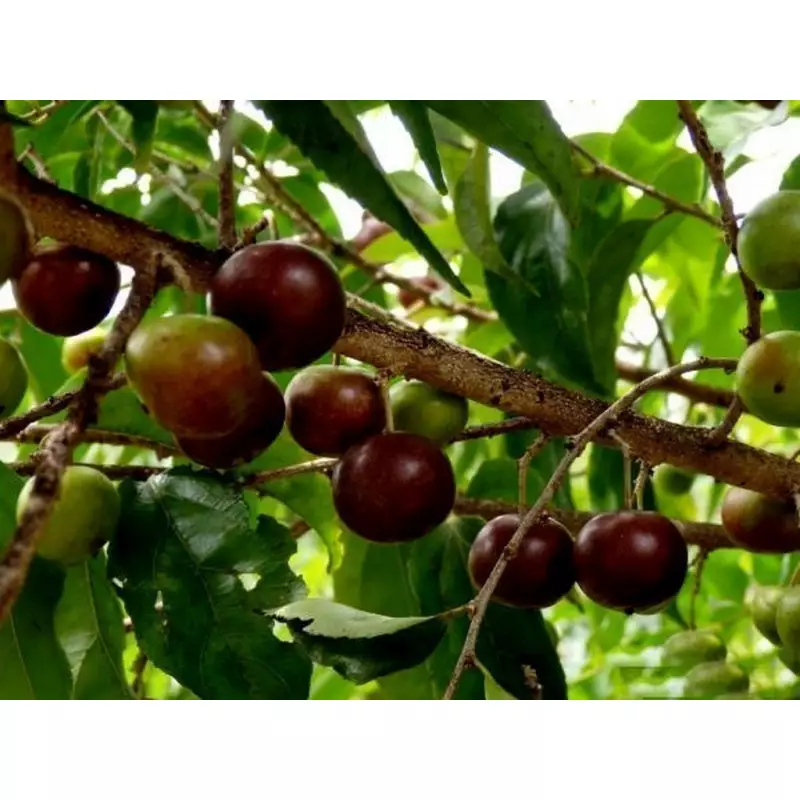
This tropical shrub has stiff, horizontal thorns and grows thickly or closely together, creating a dense mass of stems and leaves. This makes it a popular choice for natural fencing. It bears small, dark red or purple fruits with a tangy flavor. The plant is resilient, and can grow well in dry areas and poor soil. Its is often found in scrublands or at the edges of forests.
17. Karonda (Carissa)
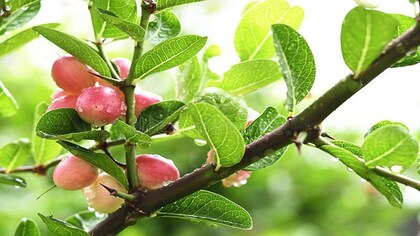
Karonda is a spiny shrub native to India, and features forked, hard thorns and shiny green leaves. Its small, dark red fruits are packed with vitamin C and are often used in pickles, preserves, and chutneys. The plant is valued as a natural or live fence and for its ornamental appeal, especially when it flowers.
18. Dragon Fruit (Pitaya)
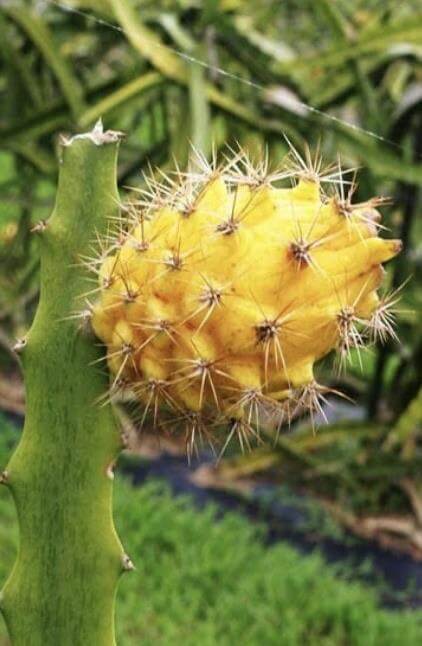
Dragon fruit grows on a climbing cactus with aerial roots and sharp spines along the stems. While some modern hybrids are nearly thornless, wild types retain thorns that demand caution during harvesting. The stunning fruit is rich in fiber and antioxidants. The plant can handle heat, drought, humidity, and poor soil, but it will produce tastier fruits if it gets regular water and nutrient-rich soil.
19. Elephant Apple (Dillenia indica)
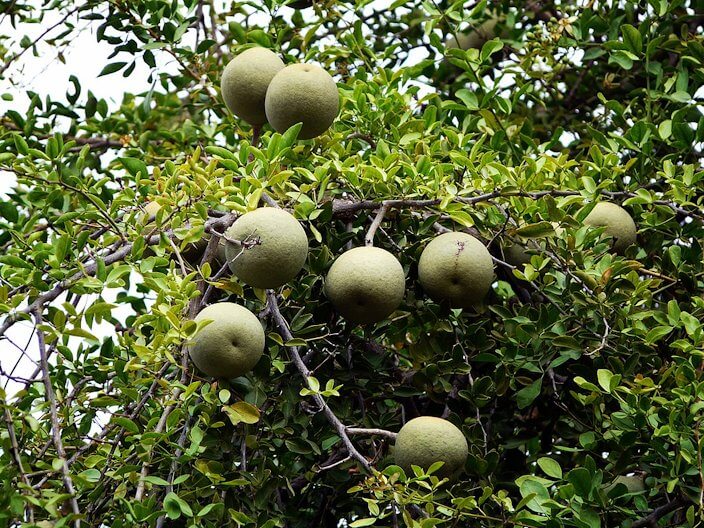
This tropical tree has stiff, spreading branches with large, simple leaves and occasional thorns on young stems. Its sour, fibrous fruit is valued in chutneys and curries. Native to Southeast Asia, it’s often planted in home gardens for both shade and fruit production.
20. Sea Buckthorn
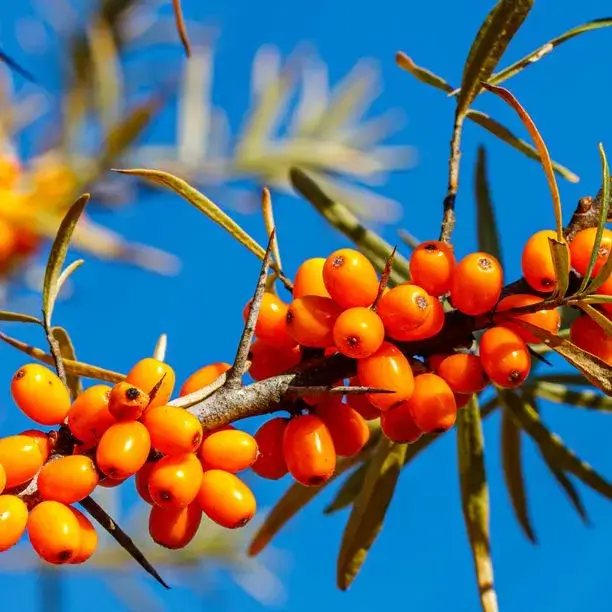
Sea buckthorn is a hardy, deciduous shrub with silvery foliage, bright orange berries, and spiny branches. These sharp thorns serve as a natural deterrent, making the shrub useful in live fences or wildlife hedges. Native to Europe and Asia, sea buckthorn thrives in poor, sandy soils and tolerates salt spray, which makes it an excellent choice for coastal or erosion-prone landscapes.