
Loganberry vs. Tayberry: Side-By-Side Comparison
When it comes to berries I often mistake for another, loganberries and tayberries are right at the top of the list. Both are hybrids of blackberries and raspberries, and because hybrids tend to inherit many physical traits from their parent fruits, these two look remarkably similar. In fact, telling them apart isn’t always easy at first glance. If you’ve ever found yourself confused by these closely related berries, this side-by-side breakdown will help you spot the differences with confidence.
Background
Loganberries are one of the earliest blackberry–raspberry hybrids. They combine the elongated shape of a blackberry with the deep red coloring and tangy character of a raspberry, making them a foundational hybrid in modern berry breeding.
Tayberries were developed later as a refined follow-up to the loganberry. Created in Scotland and named after the River Tay, they were bred to deliver larger fruit, more sweetness, and a stronger aroma.
Like loganberries, they are a cross between blackberries and red raspberries—but with a noticeably softer texture and more dessert-friendly profile.

Appearance
Loganberry
Loganberries resemble blackberries in shape but remain dark red even at full ripeness. They are elongated and cone-shaped, slightly longer than raspberries, with medium-sized seeds. Their skin is firm yet tender, and their berry surfaces have softer, matte look rather than the glossy shine of blackberries.
Tayberry
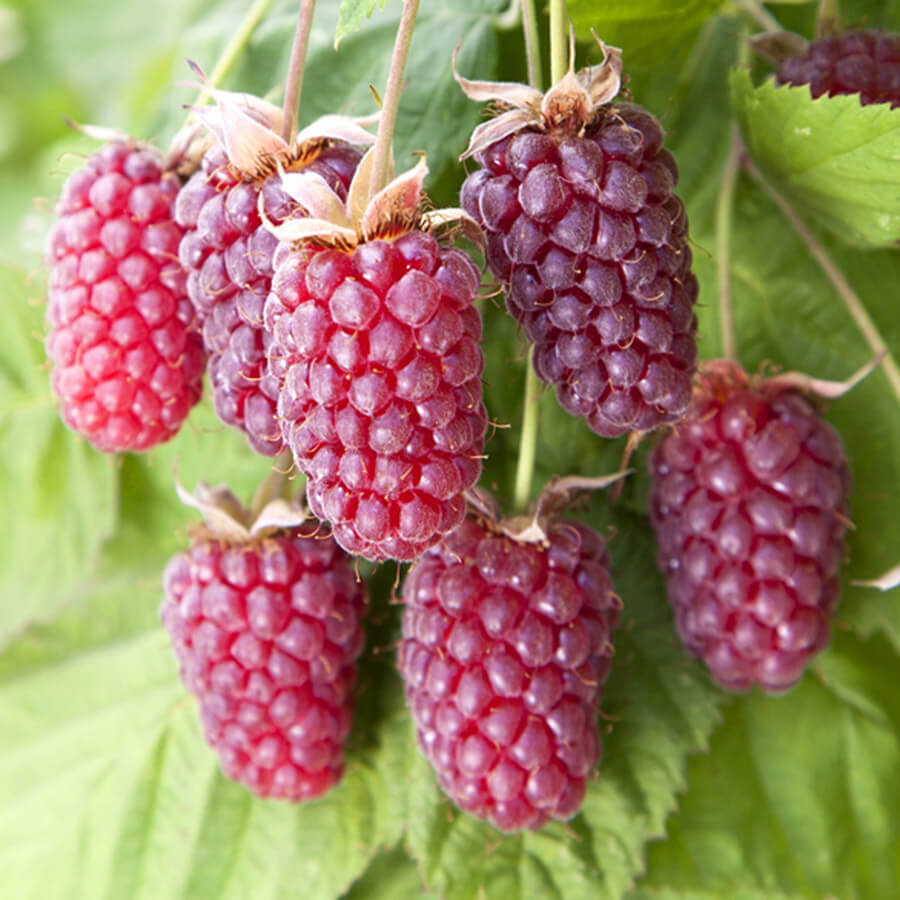
Tayberries are larger and more dramatic in appearance. They are cone-shaped and can grow over an inch long, making them bigger than both raspberries and many blackberries. As they ripen, their color deepens from red to dark purple. Like blackberries, the core stays attached when picked. Fully ripe tayberries are very soft and delicate, which makes them difficult to transport.
Taste and Texture
Loganberry
Loganberries are known for their bold tartness. Their flavor is sharp and lively, with a deep, almost wine-like richness underneath. They are juicy but slightly firmer than tayberries, holding up well in cooking. This pronounced acidity makes them especially appealing for preserves, sauces, and baked desserts that need a strong berry presence.
Tayberry
Tayberries are sweeter and more aromatic. Their flavor balances gentle tartness with natural sweetness, which become more pronounced as the berries darken in color. Deep purple tayberries tend to be the sweetest, while red ones are less sweet (or carry more acidity). They are extremely soft when ripe, making them luscious fresh—but too fragile for machine harvesting or long shipping.
Uses
Loganberry
Loganberries perform exceptionally well in both fresh and cooked dishes. Common uses include:
- Jams, jellies, and syrups
- Pies, crumbles, and baked desserts
- Wines and cordials
- Juices and specialty beverages
In the UK, they’re often featured in classic desserts like sherry trifle, where their tartness adds contrast. Their deep red pigment also makes them valuable for products that need natural color.
Tayberry
Tayberries are beloved for fresh eating and home cooking, especially when used soon after harvest. They work well in:
- Fresh pies and tarts
- Jams with a sweet-tart balance
- Wine and craft beer
- Toast toppings and spreads
- Freezing (up to a year, if handled gently)
Because they’re so soft, tayberries are most commonly found at farmers’ markets rather than grocery stores, making them a seasonal treat.
Nutritional Highlights
Loganberry
Loganberries are rich in anthocyanins and other phenolic compounds that support potent antioxidant activity. They also provide vitamin C and dietary fiber, contributing to immune health and digestion.
Tayberry
Tayberries offer similar benefits, supplying fiber, vitamin C, and antioxidant compounds from their deep red-to-purple pigments. Their natural sweetness makes them an appealing option for desserts that don’t rely heavily on added sugar.
Which Berry Should You Choose?
• Choose loganberries if you enjoy bold, tangy flavors with depth. They’re ideal for cooking, preserving, and recipes where acidity enhances the final dish.
• Pick tayberries if you prefer a sweeter, softer, more aromatic berry—especially for fresh desserts, pies, and homemade jams.
Both berries share a common heritage, but their personalities differ: loganberries bring intensity and structure, while tayberries offer softness and sweetness. The best choice depends on whether you’re craving sharp complexity or gentle indulgence.