
Loganberry vs. Marionberry: What’s the Difference?
Berry shakes, salads, pies, tarts, sorbets, ice creams, and more are found everywhere on menus across Oregon. What can be a bit confusing is when the menu lists a specific berry—like loganberries or marionberries—instead of just blackberries or raspberries. What’s the real difference, especially since both are hybrids of blackberries? Here’s a quick comparison to clear up the confusion once and for all.
Background
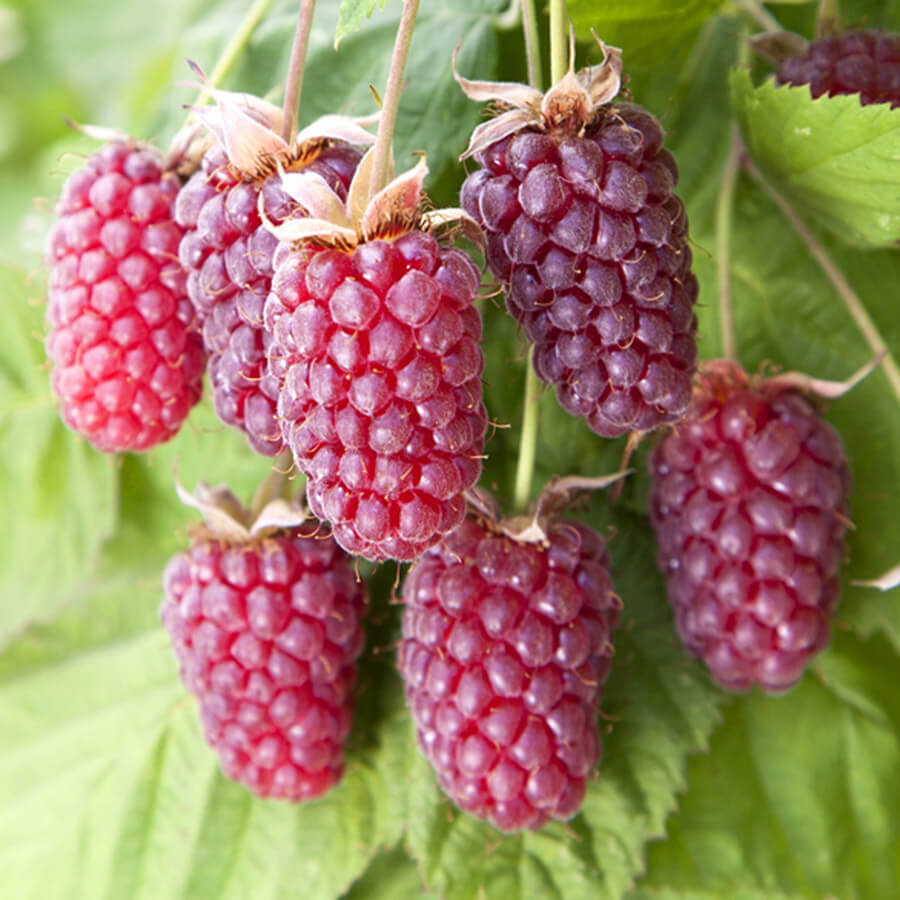
Loganberries are hybrids between blackberries and raspberries. In appearance, they lean more toward blackberries, sharing their elongated, conical shape while keeping a deep red color that sets them apart from both parent fruits.
Marionberries, on the other hand, are a variety of blackberry. They were created in 1945 at Oregon State University by crossing the Chehalem blackberry with the olallieberry—another blackberry hybrid—and were named after Marion County, Oregon. They are grown almost exclusively in Oregon, where they are celebrated as the region’s signature berry.

Appearance
Although loganberries look more like blackberries than raspberries, their color stays dark red even when fully ripe—they never turn black. They have medium-sized seeds, are a bit longer than raspberries, and have an elongated, cone-like shape. Their skin is firm but still tender, and the surface looks more matte and soft instead of shiny like a blackberry.
Marionberries, on the other hand, can range in color from dark red to deep black. They are also more oblong in shape compared to regular blackberries.
Taste and Texture
Loganberry
Loganberries have a bright, sharp tartness—similar to the tang of blackberries, but with a deeper, almost wine-like flavor. They taste rich and full, which makes them great for cooking and preserving. The berries are juicy and softer than marionberries, so they work especially well in jams, compotes, and baked dishes where a strong tart flavor is wanted.
Marionberry
Often called the “Cabernet of Blackberries,” marionberries are known for their complex, aromatic flavor with a slight earthy edge. They have a balanced sweet-tart taste—sweeter and juicier than many wild blackberries, but not as sugary as raspberries. Their firm texture helps them keep their shape in pies, when frozen, and in other products, all while delivering a strong, intense berry flavor.
Uses
Loganberry
Loganberries shine in both fresh and cooked applications. They are popular in:
- Jams, jellies, and syrups
- Pies, crumbles, and desserts
- Wines and cordials
- Juices and specialty drinks
In the UK, they’re often paired with sherry trifle or used in sherry-based desserts due to their tart, fruity lift. Their high anthocyanin levels also make them valuable for processed foods where a strong, natural red color is desired.
Marionberry
Marionberries can be used anywhere blackberries are used, but they offer elevated flavor and texture. They work beautifully in:
- Pies, cobblers, crisps, and scones
- Ice creams, sorbets, and gelato
- Smoothies and mixed drinks
- Jams, preserves, and syrups
- Fresh snacking
Because they freeze exceptionally well—retaining both shape and texture—they’re a favorite for long-term storage and commercial production.
Nutritional Highlights
Loganberry
Loganberries are rich in anthocyanins and phenolic compounds, which give them their deep red color and strong antioxidant benefits. They’re also a good source of vitamin C and dietary fiber, helping support both your immune system and healthy digestion.
Marionberry
Marionberries are rich in vitamin C, fiber, and powerful antioxidants like gallic acid and rutin, which may help support circulation and overall cell health. They’re also naturally low in calories—about 65 to 80 per cup—making them a nutritious choice for desserts, snacks, smoothies, and anything that calls for a flavorful berry boost.
Which Berry Should You Choose?
• Choose loganberries if you enjoy bright, tangy flavors with a subtle wine-like depth. Their lively tartness shines in jams, sauces, pies, and any recipe that benefits from a bit of acidity.
• Pick marionberries if you prefer a sweeter, juicier, and more aromatic berry. They’re excellent for almost any dish—baked goods, frozen treats, smoothies—or simply eating fresh.
Both berries offer bold flavors and strong nutritional benefits, so the best choice comes down to whether you’re in the mood for a sharp, tart bite or a deep, complex sweetness.