
11 Popular Pear Shaped Fruits You Should Know About
Pears have been delighting our taste buds for centuries with their sweet, crisp, and refreshing flavor. Whether you enjoy them straight from the tree, poach them into a dessert, or slice them into a salad, their naturally gentle sweetness always shines through and always pairs beautifully with both sweet and savory dishes.
Beyond their culinary appeal, there’s something about their shape that I also find fascinating. Pears have a unique, gracefully curved, and effortlessly elegant shapes that I don’t often see in other fruits. Their naturally artistic silhouette, which is wider at the base and gently tapering at the neck, appears both familiar and exotic at the same time.
But are there other fruits with this distinctive shape? It turns out there are a few, and today we’ll highlight some of the most common fruits that share this iconic pear-like form.
1. Pear
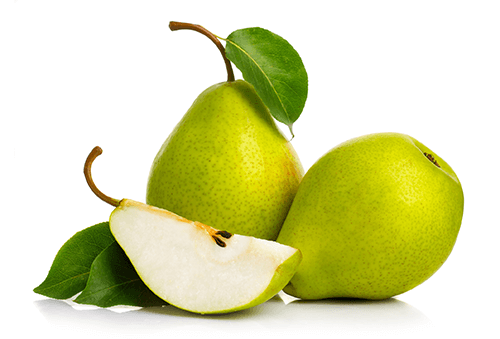
Since we’re not only talking about the shape but also other qualities of pear-shaped fruits, the first fruit we have to start with is the pear itself. As you’ve probably already guessed, it’s its shape (the pear-like shape) that we’ll use as a reference throughout this post. Beyond its shape, there are many attributes worth appreciating.
To begin with, its tender skin ranges from green to russet gold, and its buttery flesh melts in the mouth with gentle sweetness and soft floral notes. Pears are wonderfully versatile—you can enjoy them fresh, poached in wine, baked into tarts, or sliced into salads for a juicy contrast.
Nutritionally, they’re packed with fiber (especially in the skin), and they are rich in vitamin C and antioxidants. Pears also support healthy digestion and immunity while providing a naturally sweet, low-calorie treat.
2. Quince
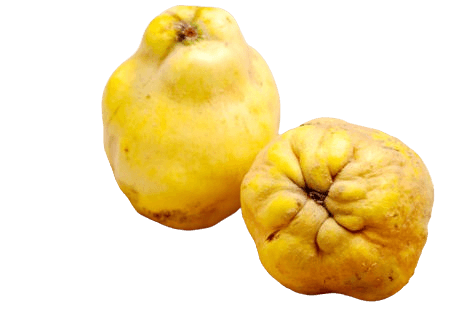
Quince looks like a bumpy yellow pear and has a lovely, strong fragrance. It is native to Caucasus and Iran, where people have been enjoying it since ancient times. Unlike its softer cousins, you can’t really eat quince raw because it’s too hard and tart. But once you cook it, it turns soft and takes on a beautiful rose-gold color with a sweet, delicious flavor.
You can stew it, roast it, or turn it into fragrant jams and the famous membrillo paste. Quince brings a rich, floral apple-pear flavor to both desserts and savory dishes. It’s also high in pectin and antioxidants, which are good for your gut. In fact, according to Healthline, it’s long been used in traditional medicine to help with digestion.
3. Guava
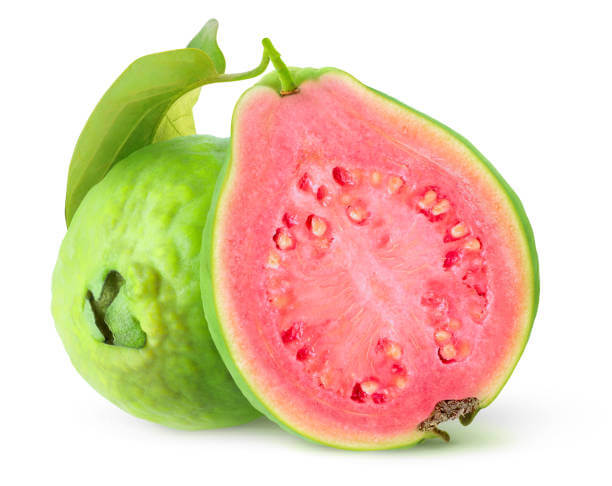
Not all guavas have a pear shape, but some varieties do. These types tend to be rounder at the bottom and slightly narrower near the stem, giving them a squat, pear-like look.
Guavas also come in many varieties, usually with green or yellow skin and either bright pink or creamy white flesh filled with edible seeds.
Guavas have a bold tropical aroma and a sweet–tart taste. You can eat them fresh, juice them, or use them in candies, jams, and smoothies.
They’re also incredibly nutritious. Guavas are packed with vitamin C — often four times more than oranges — and they contain lycopene and plenty of fiber, making them great for boosting immunity and supporting overall health.
4. Avocado
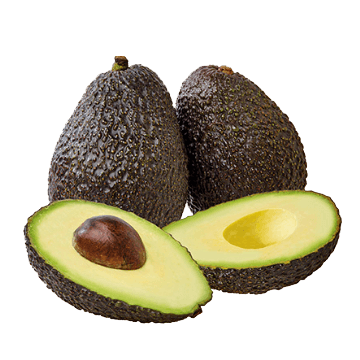
Avocado is another fruit that clearly comes in a pear shape. Most varieties are narrow at the stem and fuller at the base, with their signature thick, pebbly skin covering smooth, buttery flesh and a large central pit.
Over the years, avocados have become a global culinary favorite thanks to their creamy texture and mild, nutty flavor. Beyond spreading them on toast, they’re delicious grilled, blended into smoothies, tossed in salads, or made into rich, creamy guacamole.
Nutritionally, avocados are packed with heart-healthy monounsaturated fats, potassium, and antioxidants. They are known to help support heart health, glowing skin, and keep you feeling full longer.
5. Fig
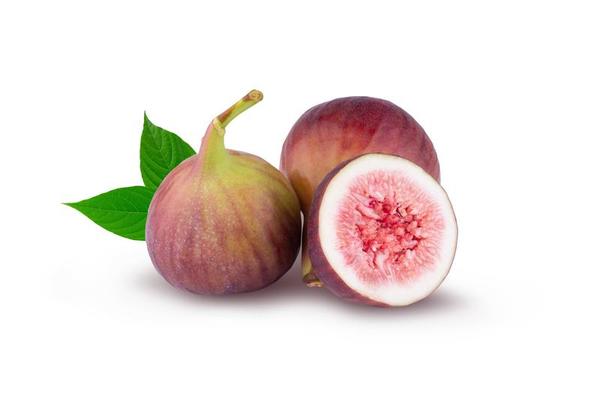
To me, figs look like tiny hanging pears (plump at the base and tapering to a delicate tip). Their thin, edible skin ranges from pale green to deep purple, and inside they hide a sweet, jam-like flesh filled with tiny crunchy seeds.
Figs have a rich, honeyed sweetness with a hint of berry flavor. You can enjoy them fresh, dried, or baked into breads and desserts. They’re packed with fiber, calcium, and polyphenols, which help support bone health and digestion, while also giving a natural energy boost.
6. Chayote (Vegetable Pear)
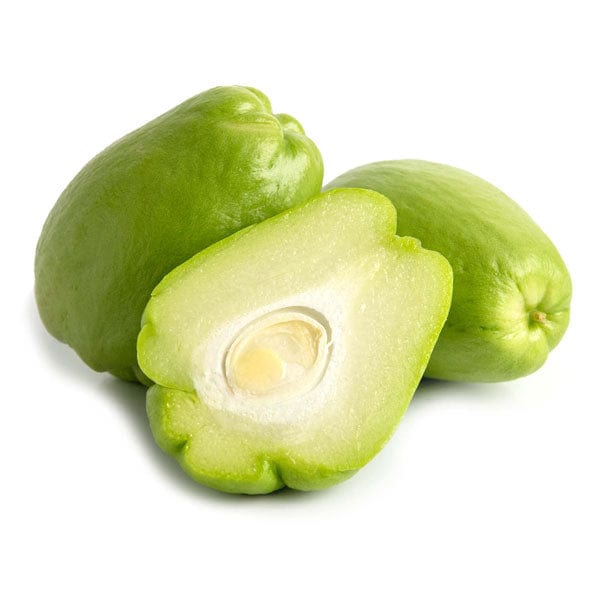
Although technically a fruit, chayote is usually treated as a vegetable in culinary circles. It has a smooth, green pear shape, crisp pale flesh, and a mild flavor that soaks up other tastes beautifully.
How you use it is up to you—you can stir-fry it, stew it, stuff it, or even eat it raw in salads. Low in calories and rich in water, vitamin C, and folate, chayote is a popular choice for heart-healthy and weight-conscious diets across Latin America and Southeast Asia.
7. Papaya
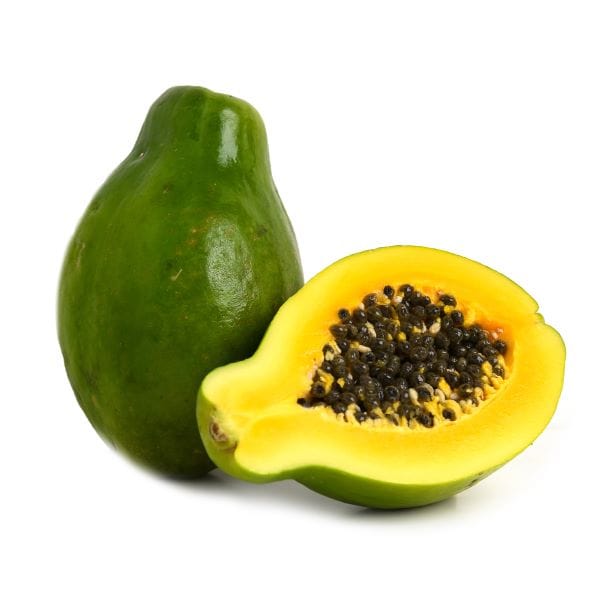
Papayas also have a pear-like shape, though they are much larger. Most have golden-green skin that surrounds bright orange-red flesh and a cavity filled with shiny black seeds. They are popular for their musky sweetness, which shines in salads, juices, and smoothies.
Papayas are packed with papain, a powerful digestive enzyme, as well as vitamins A and C that support vision and immunity. Whether you eat them fresh, blend them, or use them in meat tenderizers and salsas, papayas are both tasty and versatile.
8. Rose Apple (Water Apple/Bell Fruit)
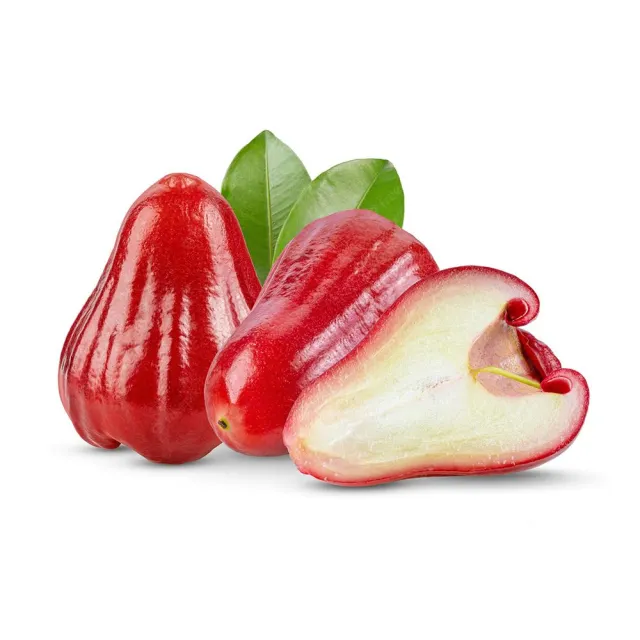
Rose apples are glossy and bell-shaped, with a wide base and narrow top, resembling a waxed, upside-down pear. They have crisp, watery flesh with a delicate floral sweetness, similar to rosewater. They are usually served fresh and chilled for maximum refreshment. They can also be pickled or added to tropical salads. Made mostly of water and antioxidants, rose apples are a hydrating, light snacks that are perfect for hot climates.
9. Cashew Apple
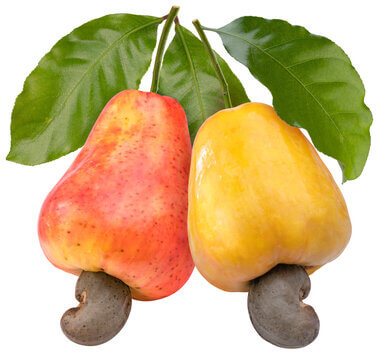
Though often overshadowed by the cashew nut that grows on its tip, the cashew apple is a juicy, pear-shaped fruit with waxy yellow-to-red skin and tangy, fibrous flesh. They are usually too delicate to export fresh, so they are commonly juiced, fermented into drinks like feni, or cooked into chutneys.
Nutritionally, cashew apples are exceptionally rich in vitamin C and minerals, and they help support bone strength, boost the immune system, and promote healthy skin and hair.
10. Bottle Gourd
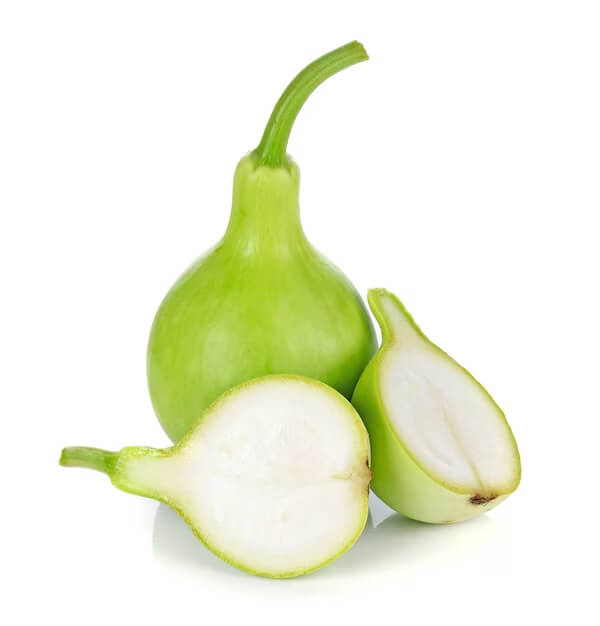
Some varieties of bottle gourd grow into pronounced pear shapes, with a slender neck and a swollen base. They have been cultivated for thousands of years, especially in Asia and Africa. Young, tender gourds are used as mild, spongy vegetables in curries, soups, and stir-fries.
When mature and dried, their hard shells have traditionally been used as natural containers and even musical instruments. Low in calories and high in water, bottle gourds are hydrating, aid digestion, and are commonly used in Ayurvedic cooking.
11. Pomelo
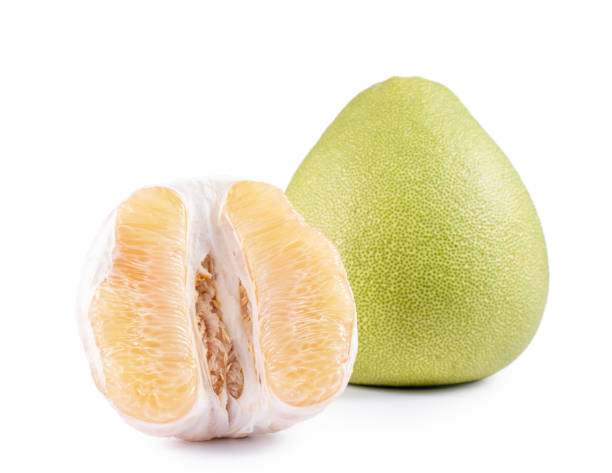
The final pear-shaped fruit is the pomelo. While many varieties are round, Southeast Asian types often grow into large, pear-like shapes, which taper gently toward the stem. They are wrapped in a thick rind with spongy pith and contain giant citrus segments that are sweet, fragrant, and less bitter than grapefruit.
Pomelos are typically peeled and eaten fresh, but they can also be used in salads and desserts. They are rich in vitamin C, potassium, and antioxidants, which help support heart health and boost the immune system.