
6 Fruits that look Like Peaches
Peaches
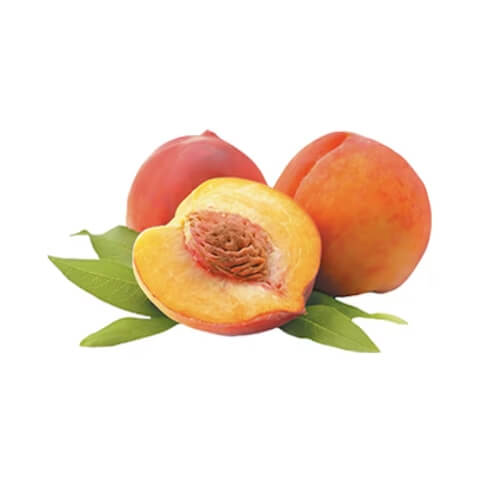
Peaches and nectarines are two fruits that many people either confuse or passionately debate over which one tastes better. For instance, if you ask random people which fruit they prefer between peaches and nectarines, you’ll hear many different reasons why one fruit wins over the other. Personally, I lean toward nectarines because they’re usually sweeter, and I’m not a big fan of the fuzz on peaches. My kids, on the other hand, love peaches and don’t mind the fuzz at all.
But nectarines aren’t the only fruits that come up when people talk about peaches. There are a few other fruits that often get mentioned too — usually because they look like peaches or are easy to confuse with them. By the way, have you ever confused another fruit for a peach? I’ve confused many myself, especially when I try to identify them from a distance. But here are the top 6 fruits that I think still confuse a lot of people because they look so similar to peaches.
1. Nectarine
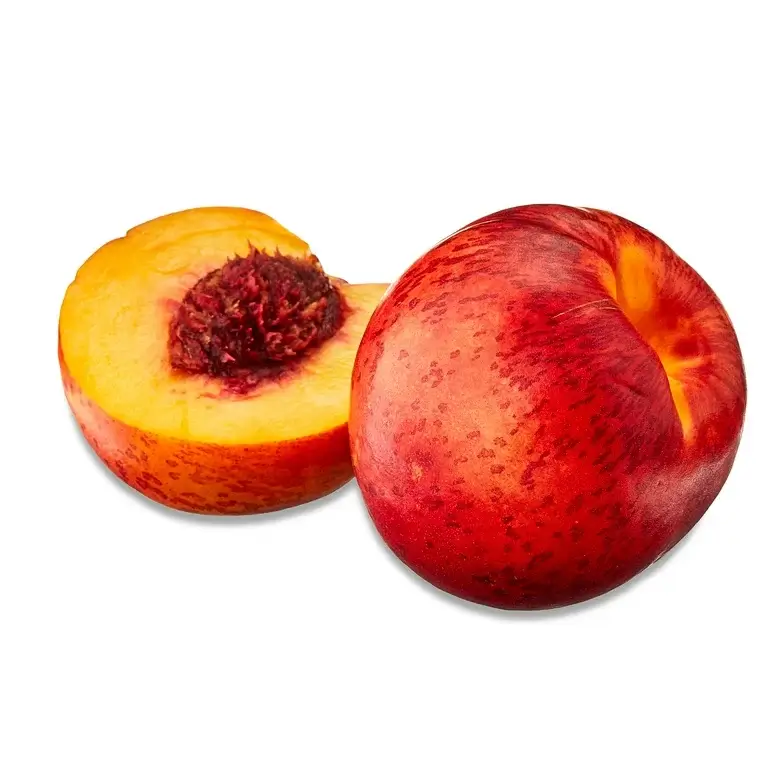
As mentioned earlier, the first fruit most people are likely to confuse with peaches is the nectarine. Nectarines are genetically almost identical to peaches, but their skin is smooth and shiny. They have the same rounded shape, reddish-yellow skin, and juicy, fragrant flesh. The only difference between the two fruits is that peaches have a fuzzy skin, while nectarines do not. So, if a peach lost its fuzz, it would become a nectarine-—literally! Beyond this visual difference, they are nearly twins.
2. Apricots
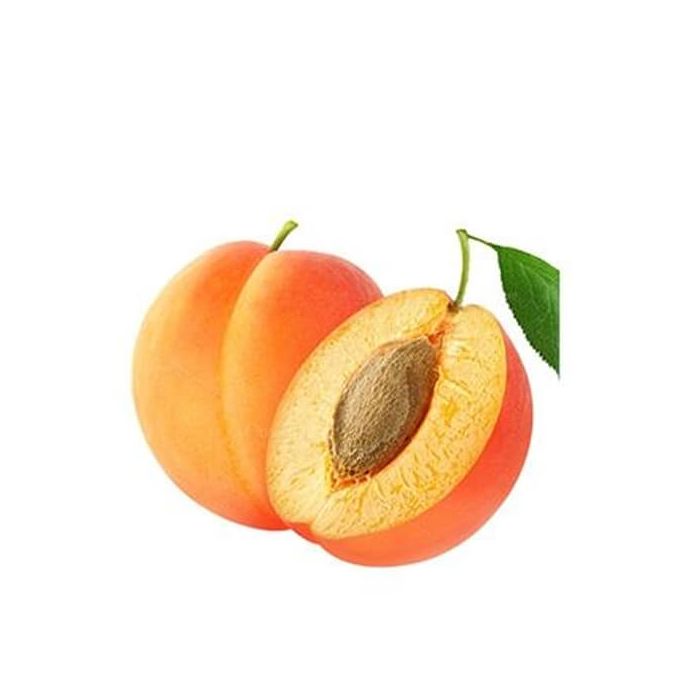
Apricots are often described as miniature peaches — and for a good reason. They have the same fuzzy skin, round shape, and orange-yellow rinds. Even though they are smaller and a bit firmer than peaches, they look so much like them that you might mistake one for a peach in a grocery store. Their pit is also centrally located and looks like a tiny peach stone.
3. Plumcot / Aprium / Pluot
These hybrid fruits (crosses between plums and apricots) often take on the best features of both parents, resulting in peach-like traits. Many have a soft, round shape and a reddish or golden skin tone that resembles peaches. Some varieties even develop slight fuzz. Depending on the cross, the flesh can range from tart to sweet, and the overall look can easily pass for a peach cousin.
4. Prunus mume (Japanese Apricot / Chinese Plum)
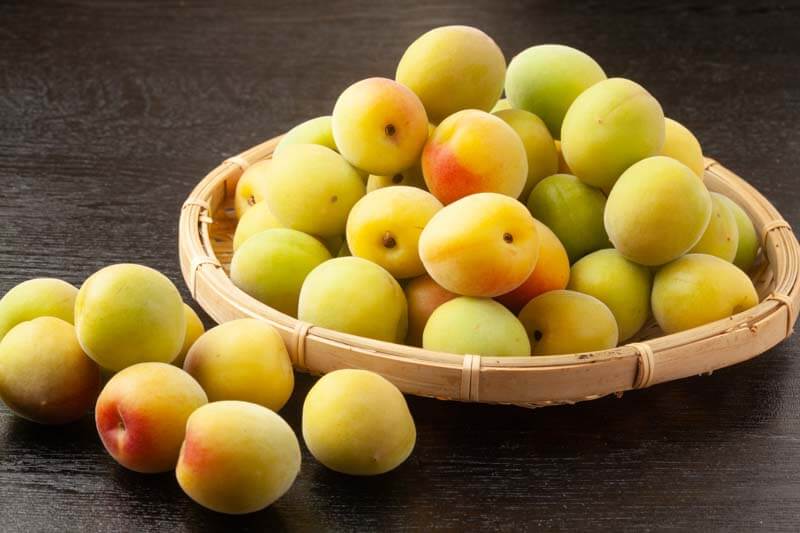
This ancient fruit, widely grown in East Asia, is small and round with a fuzzy skin that turns yellow or reddish-orange when ripe — very much like a mini peach. The two look most alike when the fruit is fresh and soft, even though Prunus mume is usually eaten pickled or dried. Prunus mume belongs to the same plant family as peaches, so they are similar in more than just appearance.
5. Plums (Yellow Plum, Mirabelle Plum)
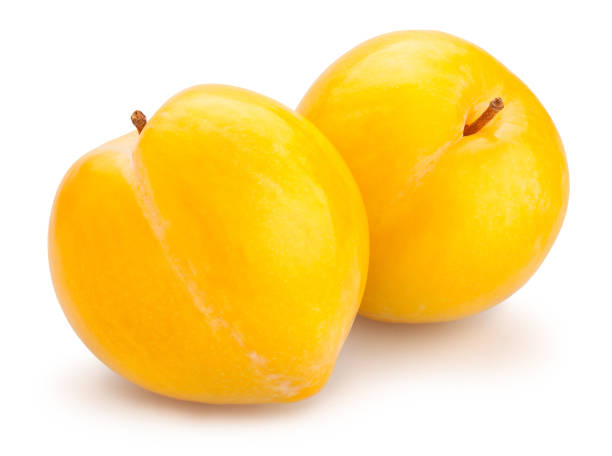
While not all plums resemble peaches, yellow varieties like the Mirabelle plum often do. They are round, smooth-skinned, and golden in color — much like a peach without fuzz. Some can even develop a blush of red on the skin. Though their texture is firmer and they’re generally smaller, visually, they can easily be mistaken for small peaches.
6. Velvet Apple (Diospyros blancoi)
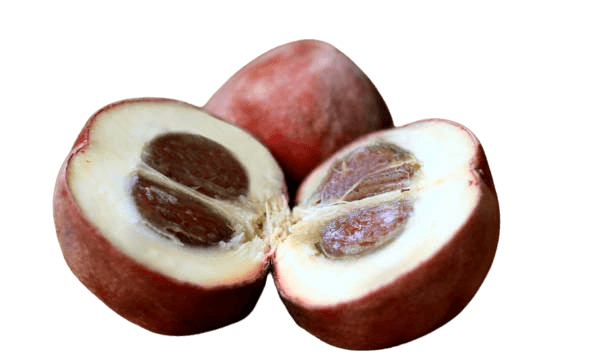
This lesser-known tropical fruit is a surprise entry on the list. Also known as mabolo, the velvet apple has a round to oval shape and a dense, peach-like fuzz covering its skin. Its reddish-brown hue and soft exterior give it a distinct resemblance to a large peach — though the flavor and aroma are quite different (it is often described as pungent and cheesy when overripe). Still, visually, it can be easily confused with a peach.