
14 Green Fruit with Black Seeds
After writing a post about fruits with black seeds, I came across a Quora question from someone asking about a fruit that’s green but has black seeds. Since there are many fruits that fit this description, I decided to list them here so that anyone curious about such fruits—or trying to identify one based on these characteristics—can compare their fruit with the ones in my list. I hope you find it helpful.
1. Kiwi
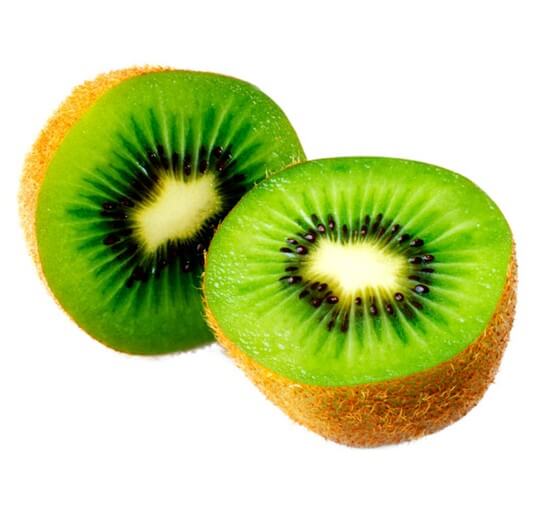
This small green fruit with tiny black seeds is packed with vitamin C and a burst of tangy sweetness. Originally from the hills of Southwest China, kiwi is now grown and enjoyed worldwide as a refreshing snack or dessert. Its soft, bright-green flesh is not only delicious but also helps boost immunity, making it a healthy choice any time of the day.
2. Papaya
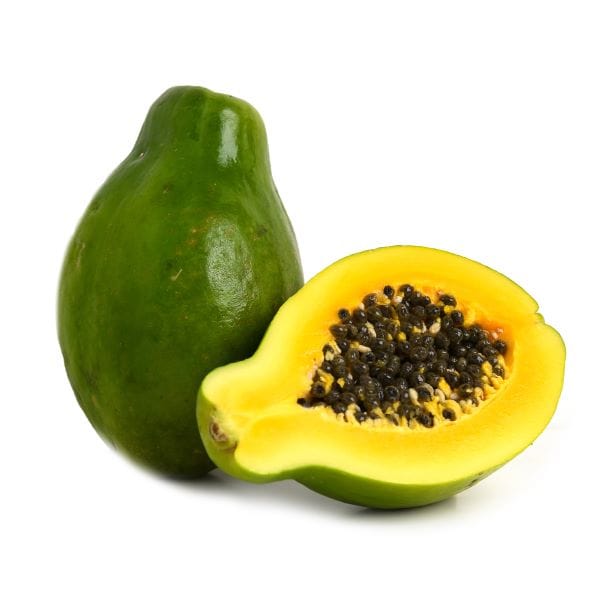
With its green skin, black seeds, and vibrant orange flesh, papaya brings a burst of tropical sweetness to the table. Its subtle musky notes pair beautifully with breakfasts, salads, and chilled desserts. It’s rich in vitamins A, C, and E, antioxidants, and enzymes like papain. So, adding papaya to your diet can help with digestion, strengthen your immune system, protect your heart, and keep your skin and eyes healthy. Papaya is native to the tropical regions of southern Mexico and Central America, but it’s now grown and enjoyed all over the world.
3. Custard Apple (Cherimoya / Sweetsop)
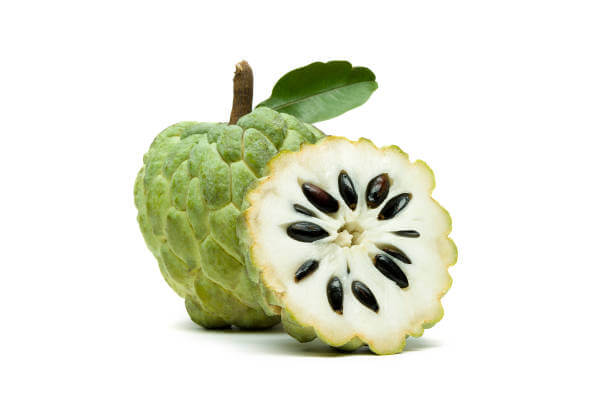
Beneath the bumpy green skin of a custard apple is a silky, creamy flesh filled with glossy black seeds. Cherimoya is native to the Americas and is highly valued for its custard-like texture and sweet, tropical flavor. You can enjoy it fresh, or use it in drinks, fruit salads, and desserts.
4. Watermelon
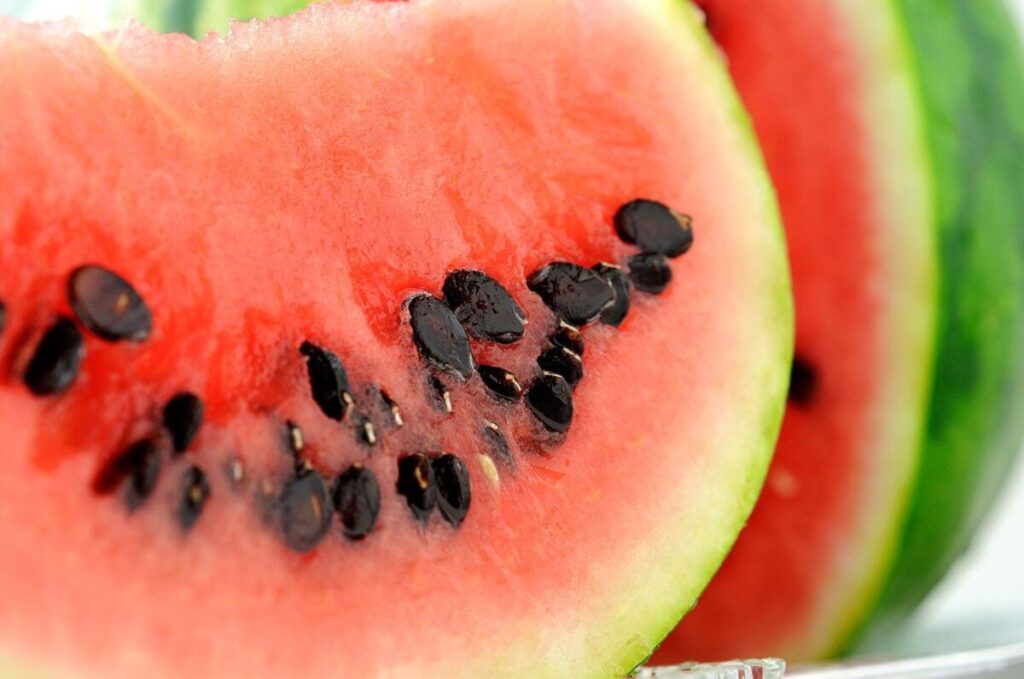
Watermelon is another well-known fruit with green skin and black seeds. It’s naturally hydrating and packed with nutrients like antioxidants and vitamin C. Whether sliced fresh, blended into a smoothie, or eaten straight from the rind, watermelon is a summertime favorite.
5. American Pawpaw
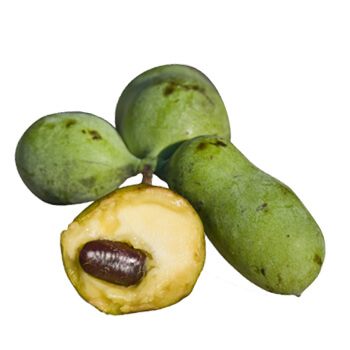
This unique green fruit is native to North America and is loved for its banana-like flavor and creamy texture. It usually contains five or six large, elongated black seeds. Often called the “poor man’s banana” or the “American custard apple,” it’s typically eaten raw without the skin. It’s also highly nutritious, packed with vitamins and minerals.
6. Soursop (Graviola)
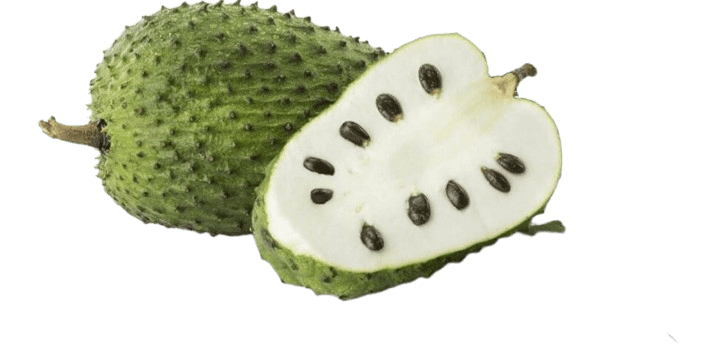
Soursop also hides black seeds beneath its spiky green skin. Native to the tropical regions of the Americas, it’s known for its sweet-and-tangy flavor, often compared to a mix of strawberry and pineapple. it is rich in vitamin C, and is enjoyed fresh or added to drinks, desserts, and smoothies.
7. Mamoncillo
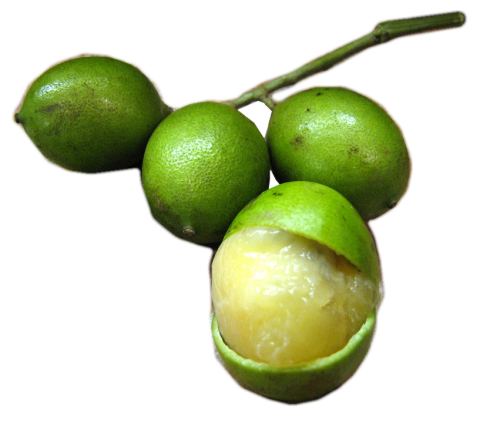
Mamoncillo is a small, round green fruit with a single large black seed. It’s popular across the Caribbean and Central America, where it’s known by many names, including quenepa and guinep. Its juicy, tangy-sweet pulp tastes like a mix of lime and peach, making it a refreshing seasonal treat.
8. Passion Fruit
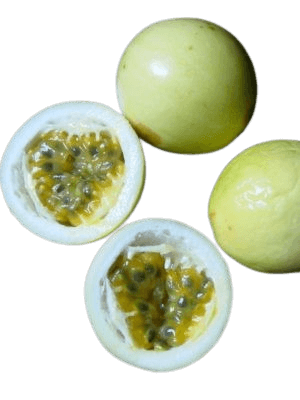
Another common green fruit with black seeds is passion fruit. Crack it open and you’ll find a fragrant burst of golden pulp filled with crunchy black seeds. Unlike some of the fruits mentioned above, passion fruit seeds are edible and add a pleasant crunch when eating the fruit. You can scoop it out and eat it fresh, or use it in juices, desserts, and sauces.
9. Lucuma
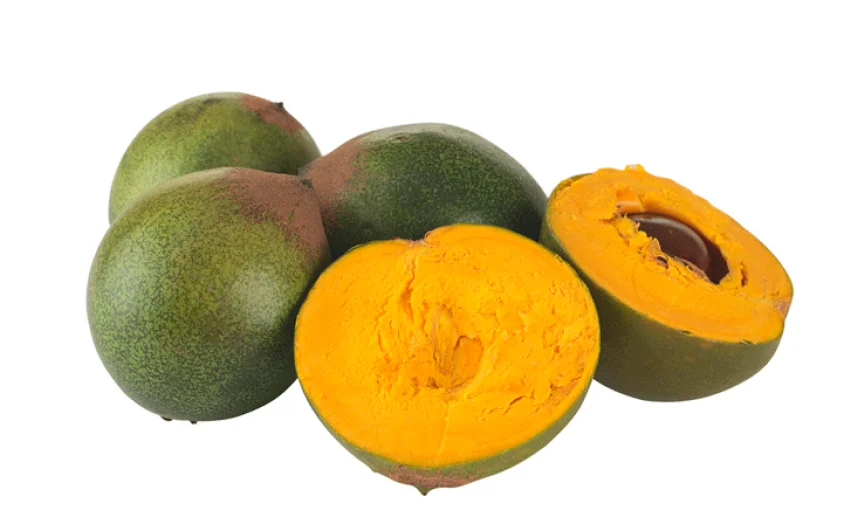
Native to the Andean regions of Peru, Chile, and Ecuador, lucuma is another green-skinned fruit with black seeds. Beneath its rough exterior is a golden, dry flesh with a naturally sweet, maple-like flavor. It’s rich in antioxidants such as polyphenols and carotenoids, making it valuable both as a nutritious fresh fruit and as a powder used in smoothies, ice cream, and baked goods.
10. Black Sapote
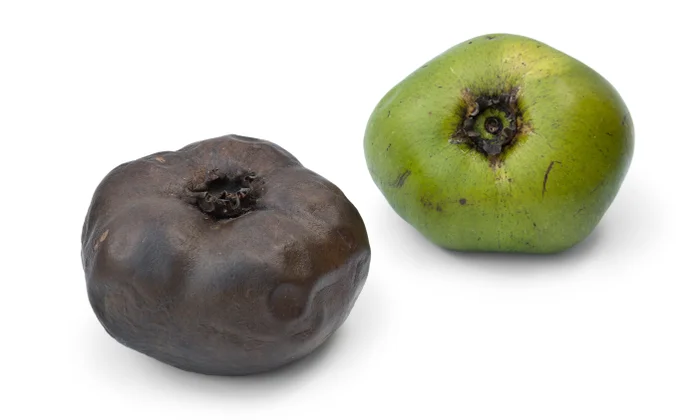
Despite its name, black sapote is a green fruit with black seeds. It usually turns soft and dark brown when ripe. It’s nicknamed “chocolate pudding fruit” for its creamy texture and dessert-like flavor, though it tastes more like honey and molasses. It is native to Central America, where it is usually eaten fresh or blended into smoothies, cakes, and other sweet dishes.
11. Banana Passionfruit
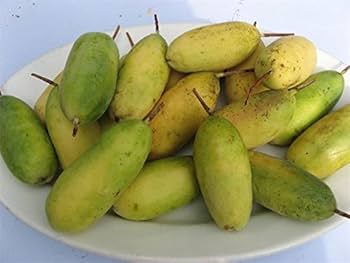
Banana passionfruit is an elongated greenish-yellow fruit with soft black seeds inside bright orange pulp. Belonging to the passionflower family, it offers a tangy-sweet flavor and is packed with vitamins A and C, plus fiber. You can eat it fresh, use it in drinks, or as a tropical twist in jams and desserts.
12. Batuan Fruit
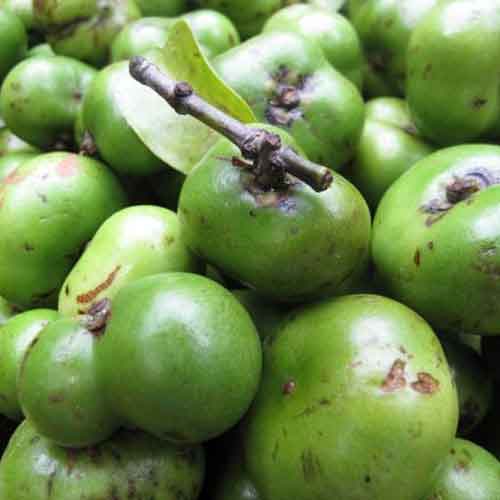
In Filipino kitchens, batuan is the go-to fruit for adding a lively tang to soups and stews. Its green skin hides black seeds and a sharply citrus flavor that wakes up any savory dish. Beyond cooking, it’s also turned into jams and preserves, where its tartness cuts beautifully through sweetness and richness.
13. Guama
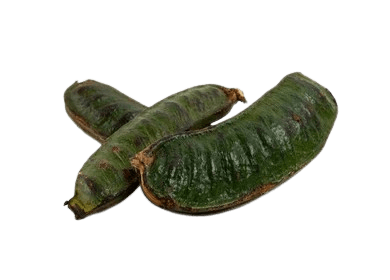
Guama, or ice cream bean, is a long green pod containing black seeds wrapped in soft, white, cottony pulp. The pulp tastes like a mix of vanilla and cotton candy, making it a popular snack in Central and South America. You can eat it fresh from the pod or pair it with other tropical fruits for a refreshing treat.
14. Jatropha Fruit
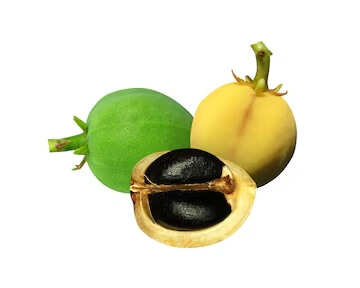
Our final green fruit with black seeds is the jatropha fruit. It grows on a hardy tropical shrub that is valued for much more than its fruit — the plant is used as medicine, a living fence, and even a source of biofuel. In some parts of Mexico, people cook and eat the seeds, but eating them raw can be very dangerous.
Image sources: 1, 2, 3, 4, 5