
How to Tell If Hami Melon Is Ripe
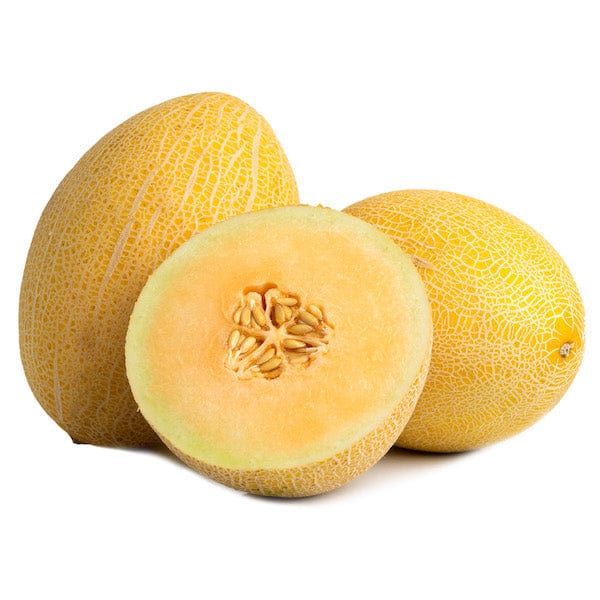
As a true melon fanatic, I can’t resist picking up a few whenever I stop by the grocery store. On a hot, tiring afternoon, nothing feels better than a ripe, juicy watermelon that has been chilling in the fridge. I honestly can’t think of anything more refreshing.
Cantaloupe is one of my favorites because it has that perfect balance of sweet, juicy flavor with a gentle hint of acidity. Recently, I also fell in love with the golden Hami melon after seeing all the excitement about it on social media. It definitely lives up to the hype.
Hami melon is a type of muskmelon that comes from the Hami region of Xinjiang, China. It has been grown in China for thousands of years and has more than 100 different varieties. it is named after the city of Hami, where it first became popular. Today, Hami melons are grown around the world and can be found in farmers’ markets, grocery stores, and even online—including on Amazon.
Although Hami melons may be less common in the US, you can still find them at different times of the year—just like other melons that are sometimes in season or off-season depending on the time of the year. From my experience, their two peak seasons are fall and spring.
How Do You Know If Hami Melon Is Ripe?
One question I often see on social media about these melon varieties is how to tell when they are ripe—especially since some Hami melons have light green skin instead of the usual golden yellow. How can you know if a melon is ripe and sweet just by looking at it or feeling it before buying?
Well, if you want to pick a perfect Hami melon, here’s my simple guide to choosing a ripe Hami melon:
1. Check The Color And Texture
Look at the melon’s skin. The deeper yellow it is, the riper it usually is. A melon that is pale or greenish is likely not ready. For yellow Hami melons, make sure there is no green between the netted lines or webbing. The more yellow and slightly cracked the skin, the sweeter and riper it will be.
2. Feel The Bloom End

The bloom end is the opposite side from the stem where the melon was attached to the plant. Press it gently with your thumb. If it feels soft, the melon is ripe. If it is hard, it needs more time to ripen.
3. Smell The Melon
A ripe Hami melon has a sweet, fruity aroma. The best place to smell is the stem end. If you can’t smell anything or it smells very faint, it is probably under-ripe. Avoid melons that smell fermented or overly strong, as this can mean they are overripe.
4. Press Its Surface Gently
Give the melon a gentle squeeze. It should have a slight give, but still feel firm. If it’s too soft, it may be overripe. The middle of the melon should feel firm—not rock hard, but not mushy either.
Bonus Tip: The Heavier, the Better
Finally, here’s another tip that can help you pick a great Hami melon—or any melon variety: check the weight. Before you decide, give the melon a gentle lift. A heavier melon usually means it has more water inside, which makes it juicier and sweeter. Even if two melons look similar in size, the heavier one is often the better choice. So don’t forget to check the weight—your taste buds will thank you!