
15 Types of Yellow Melons Worth Adding to Your Fruit Bowl
We are all used to melons with red or pink flesh. Whenever you decide to sample some watermelons on a hot day, there are high chances that the ones you are likely to get at your local grocery store or farmers’ market have that familiar reddish or pink interior. But not all watermelons are pink or red inside. There are yellow watermelons too. And not just one type—several varieties exist.
Some have yellow rinds, while others look just like the classic striped green melons you already know, but with bright yellow flesh hiding inside.
To help you get familiar with these sunny surprises, I will highlight for you 15 types of yellow watermelons you should definitely try.
Before we dive in, you might be wondering why some of these melons are yellow. The answer is simple: it comes down to a pigment called lycopene. Lycopene is the antioxidant that gives fruits like tomatoes, pink grapefruits, and red watermelons their vibrant red color.
Yellow watermelons lack this pigment, which is why their flesh doesn’t develop the familiar reddish hue.
1. Canary Melon
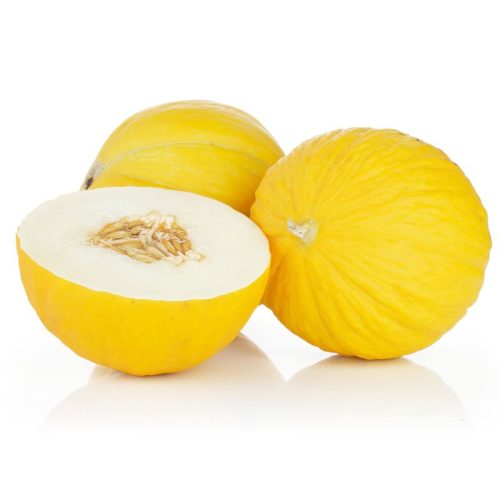
Canary melons get their name from their bright yellow skin, which is smooth and slightly waxy. They are one of the best-known melons with yellow rinds. Although their rinds are yellow, their flesh is white or pale green. The flesh is soft, creamy, and sweet. Many people compare their flavor to gentle tropical notes, with hints of banana and pineapple.
2. Casaba Melon
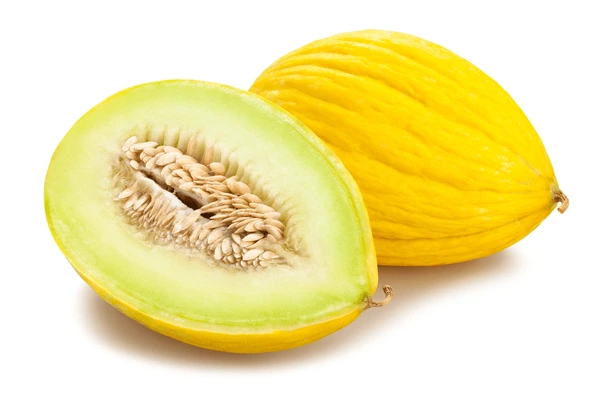
Casaba melon is another popular melon with a yellow rind. Its skin is a bit wrinkled, similar to the canary melon. The inside is pale and creamy.
The flavor is gently sweet and not as sugary as a cantaloupe. Casaba melons also ripen late in the season and have a long shelf life. This makes them a great melon to store or grow if you want to enjoy summer flavors well into the fall.
3. Amarillo Melon
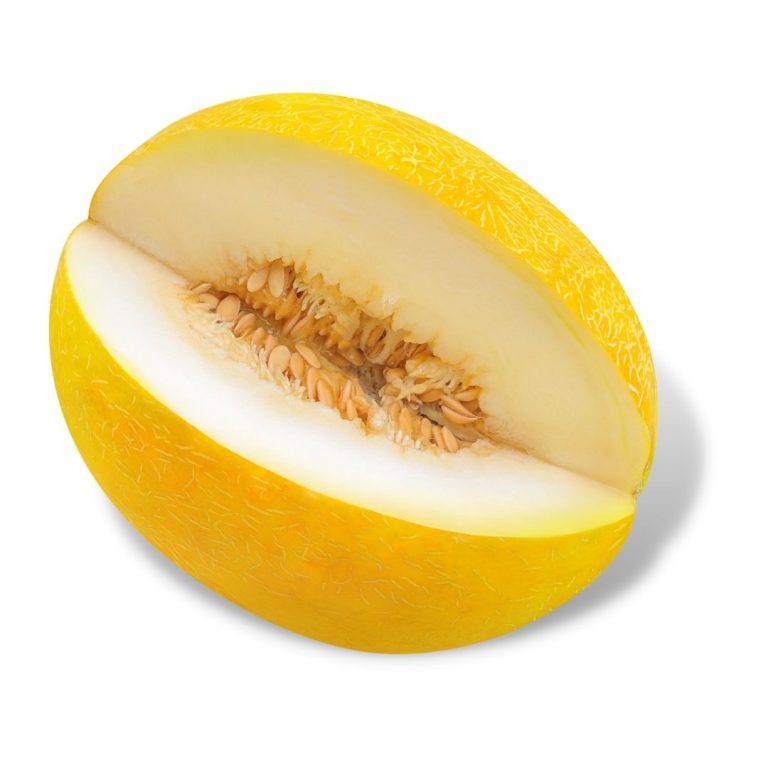
The Amarillo melon is an oblong-shaped melon with a bright yellow rind. It is larger than the the varieties I have highlighted so far and can weigh up to 15 pounds. Its flesh ranges from pale yellow to light green. Like the other melons, it is known for its refreshing sweetness. The Amarillo is also an heirloom variety, and its cultivation can be traced back to before 1870 in Europe.
4. Korean Yellow Melon
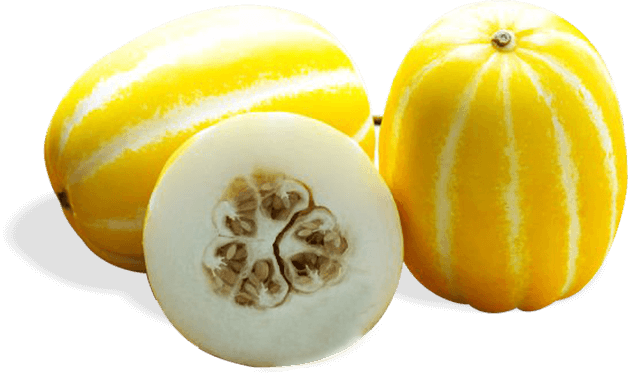
Also called chamoe, the Korean Yellow Melon has a bright yellow rind with white stripes that make it stand out from other yellow melon varieties. The inside is white or pale and has a refreshing sweetness. Unlike many other melons, its seeds are edible. It is also one of the sweetest melons you can find, with very high natural sugar levels.
5. Persian Melon (Garmak)
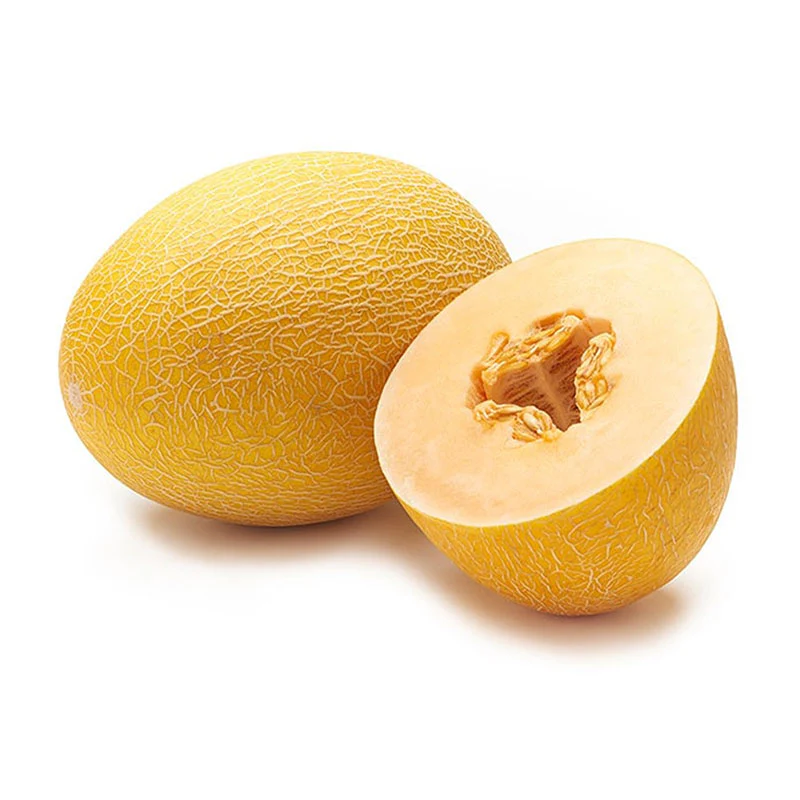
As you may have guessed, the Persian melon is native to Iran. Iranians value it as part of their hospitality and often serve it to guests during the hot summer months. It is another melon with a yellow rind, but its flesh is yellow-orange, unlike like the white-fleshed varieties mentioned above. Iranians enjoy it with a squeeze of lime or eat it with bread and cheese.
6. Galia Melon
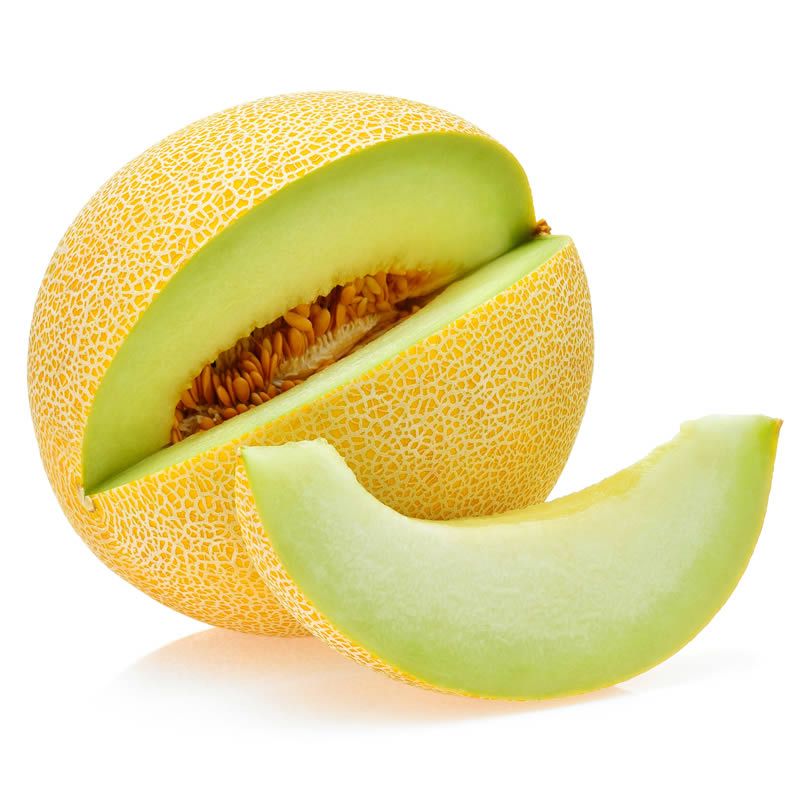
Galia melon is another unique yellow melon, thanks to its beautiful netted rind that often turns golden yellow when fully ripe. And it is not only its exterior that’s unique but also its flesh. The flesh is pale yellow, juicy, and has a fragrant flavor. People often say it tastes like the musky aroma of cantaloupe mixed with the sweet, honeyed flavor of honeydew.
Galia melon is a hybrid of cantaloupe and honeydew and was first grown in Israel. Today, it is cultivated around the world and is commonly enjoyed in fruit salads, smoothies, or eaten fresh.
7. Yellow Honeydew Melon
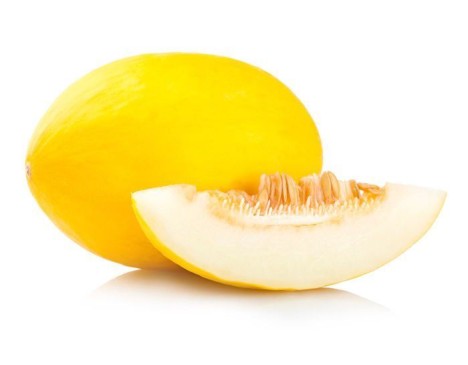
As its name suggests, the Golden Honeydew melon has a bright yellow rind, which is a sign of its ripeness and sweetness. Like the Galia melon, it has a pleasant floral aroma when fully ripe. The flesh is pale or whitish and has a delicate, juicy flavor.
8. Hami Melon
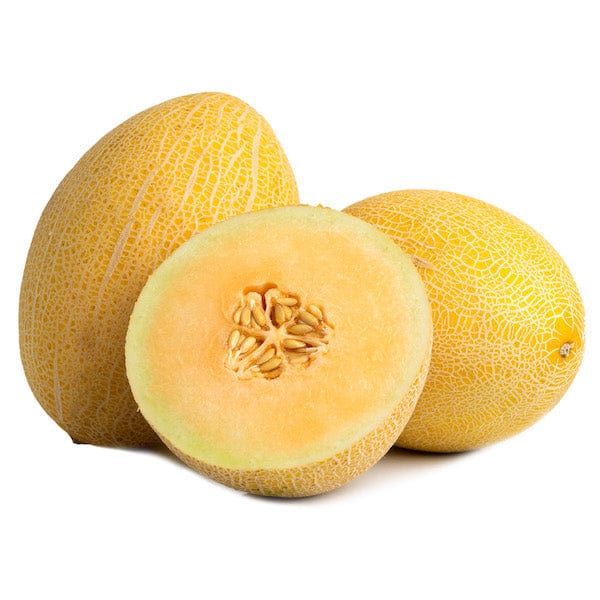
The next yellow melon you should try is the famous Hami melon. Originally from Xinjiang, China, it has become one of the most popular muskmelons in the world—and for good reason. It has a crisp, juicy sweetness that rivals cantaloupe, but with its own delicate flavor.
The flesh ranges from creamy white to golden yellow, and most Hami melons are oblong in shape. They grow best in sunny climates with well-drained, fertile soil.
9. Yellow Doll Watermelon
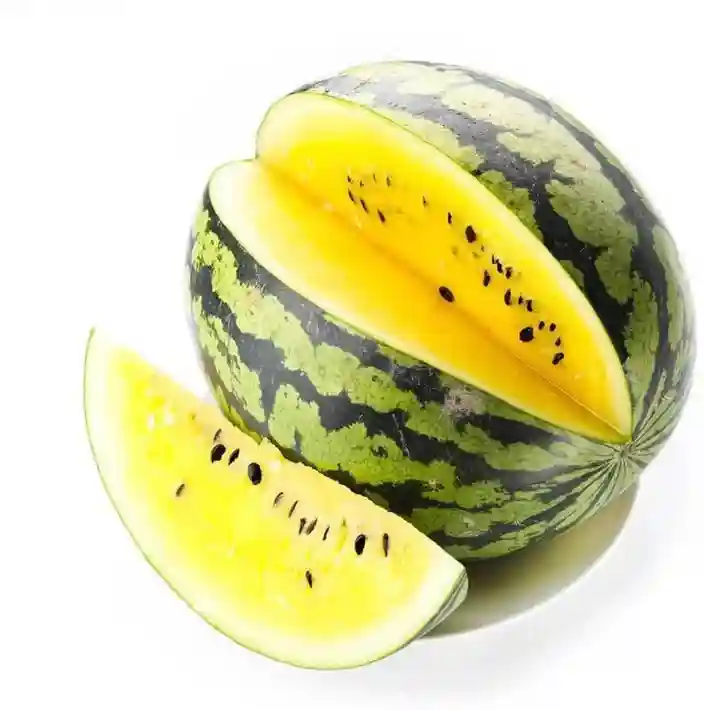
Unlike the yellow-rind melons I have highlighted so far, the Yellow Doll watermelon has a green striped rind. Its flesh is bright yellow, sweet, and dense. If you prefer smaller, compact melons, this is a great choice, as they usually weigh only 5–7 pounds. They also ripen faster than many other watermelon varieties.
10. Desert King Melon
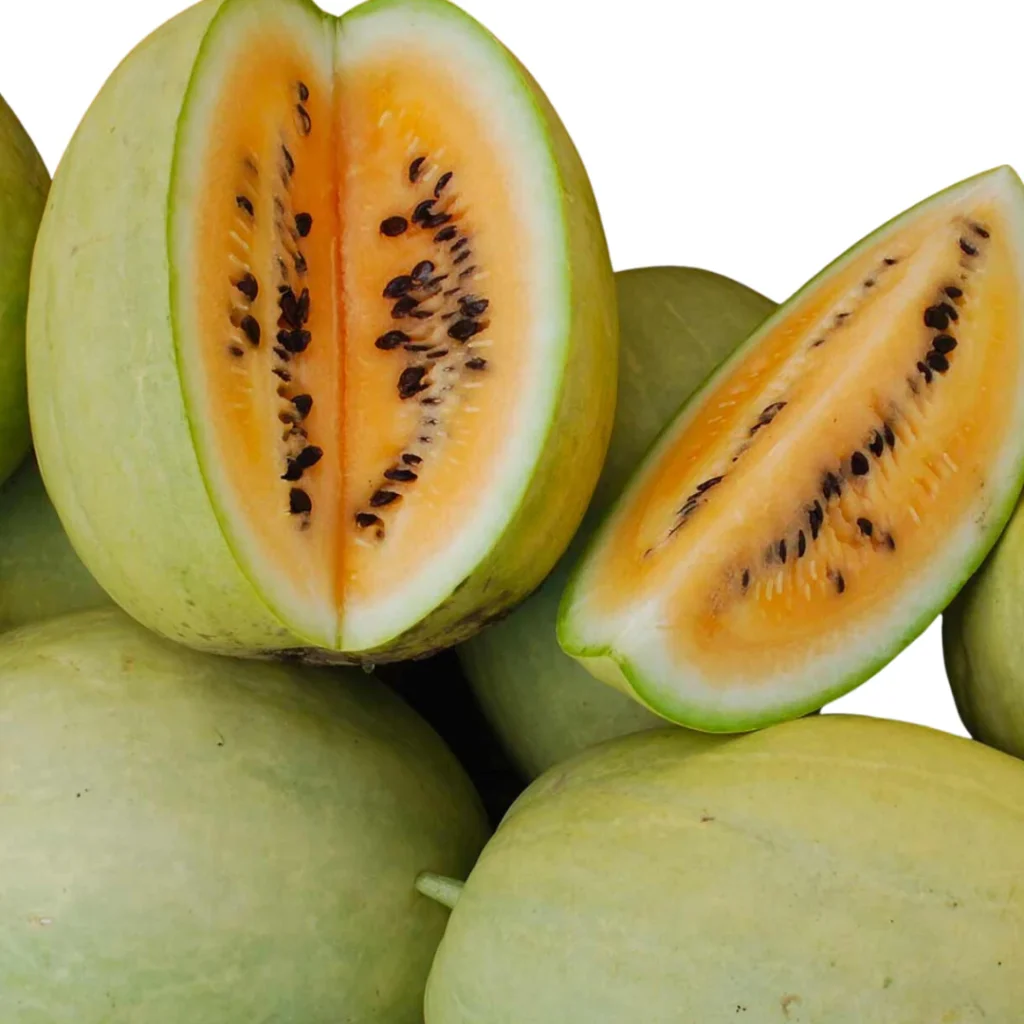
Image source: Plantandheal
This is another yellow-fleshed melon with a green rind. Its flesh is a bright, glowing yellow and has a sweet, juicy, honey-like flavor with a crisp texture.
Native to Texas, it is known for handling strong sun and tough growing conditions. These melons usually weigh between 20–30 pounds and have a long shelf life.
If you live in a hot, dry region, the Desert King watermelon is a great variety to grow because it can thrive even in challenging conditions.
11. Lemon Drop Melon
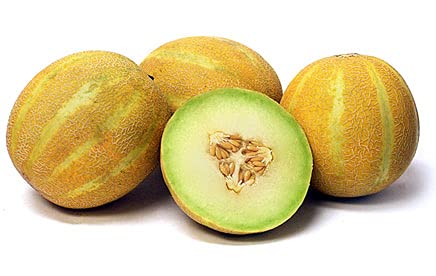
The Lemon Drop melon is a hybrid developed from Galia melons and other wild melon varieties that have high acidity. Because of this mix, its flavor combines the sweetness of a Galia melon with a refreshing, citrus-like tang.
It was first developed in Arizona in 2013 and is known to be exclusive to Matori Farms. Over the years, it has become popular around the world because of its zesty flavor, which makes it a unique addition to salads and desserts.
12. Banana Melon

Image source: Luv2garden
Long and slender, the Banana melon truly matches its name: it has yellow, banana-like skin and even a light banana scent. Inside, its flesh is salmon-colored with a sweet, slightly spicy flavor that makes it different from other melons.
It is also an heirloom variety, like the Amarillo melon, and has been treasured for centuries because of its unusual shape, pleasant fragrance, and reliably sweet taste.
13. Mountain Sweet Yellow Watermelon
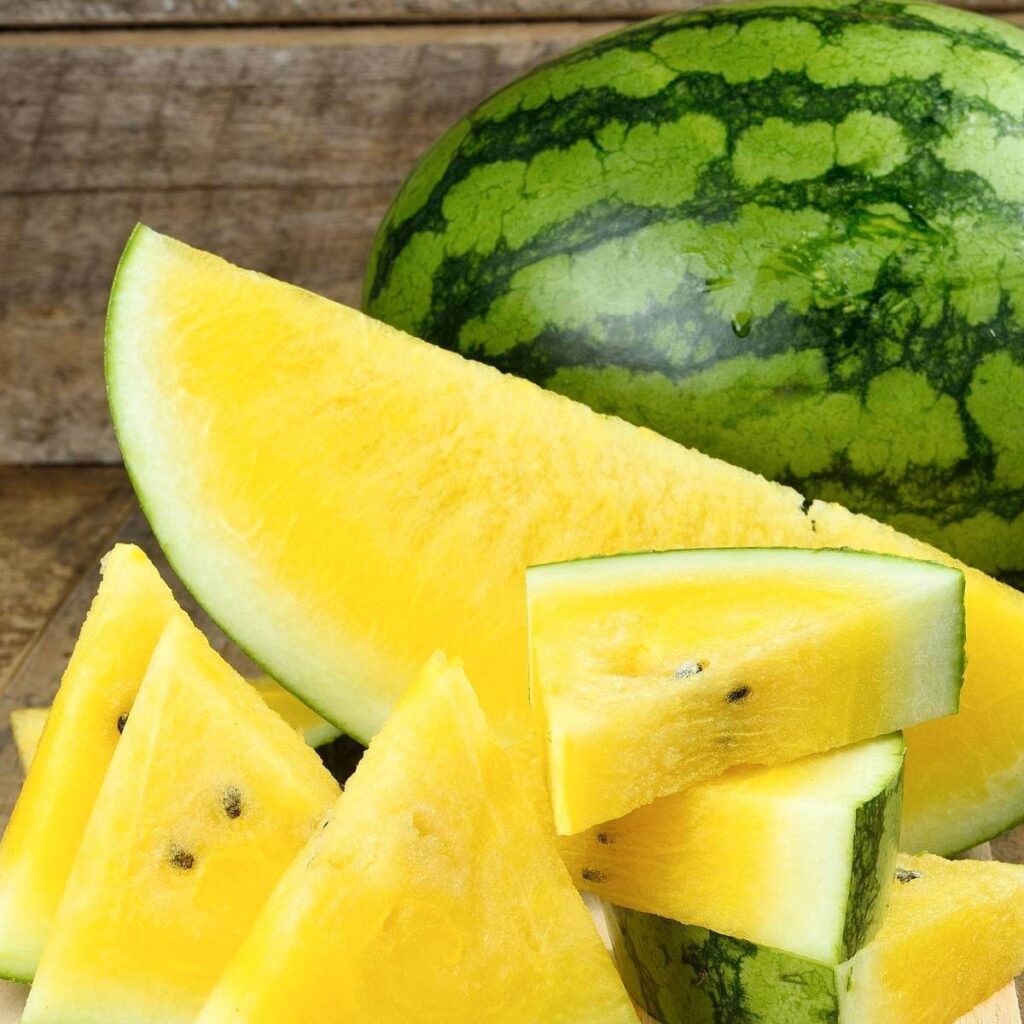
Image source: anniesheirloomseeds
Mountain Sweet Yellow is another heirloom watermelon you should add to your shopping list—or grow in your garden if you love big melons. It is large and can weigh up to 10 kilograms. The rind is green and striped, just like a typical watermelon.
The flesh, however, is a deep yellow with striking black seeds. It is juicy and richly sweet, making it a favorite for people who enjoy bold flavor.
14. Ananas Melon
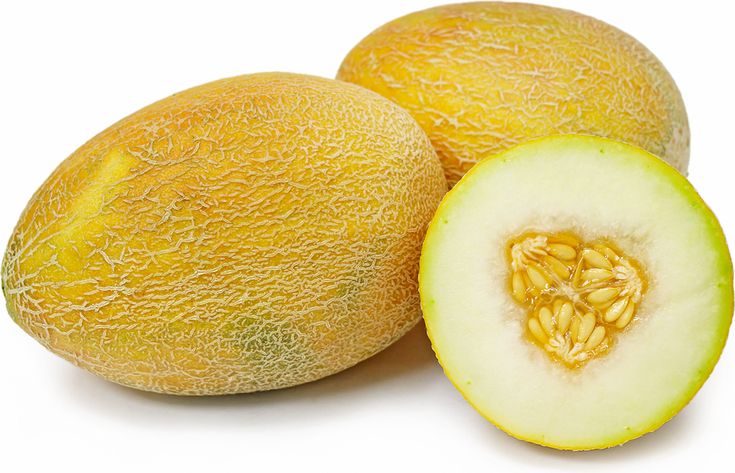
The Ananas melon, whose name means “pineapple” in many languages, is another heirloom variety known for its fragrant, tropical flavor. It has a golden-yellow rind that sometimes turns slightly orange as it ripens. Its flesh is pale, juicy, and aromatic.
Originally grown in the Middle East and Israel, Ananas melons are loved for their honey-like sweetness and pineapple-like taste. Like the other yellow melons mentioned so far, you can enjoy them fresh, chilled, or added to your favorite salads and desserts.
15. Tropical Apollo Melon
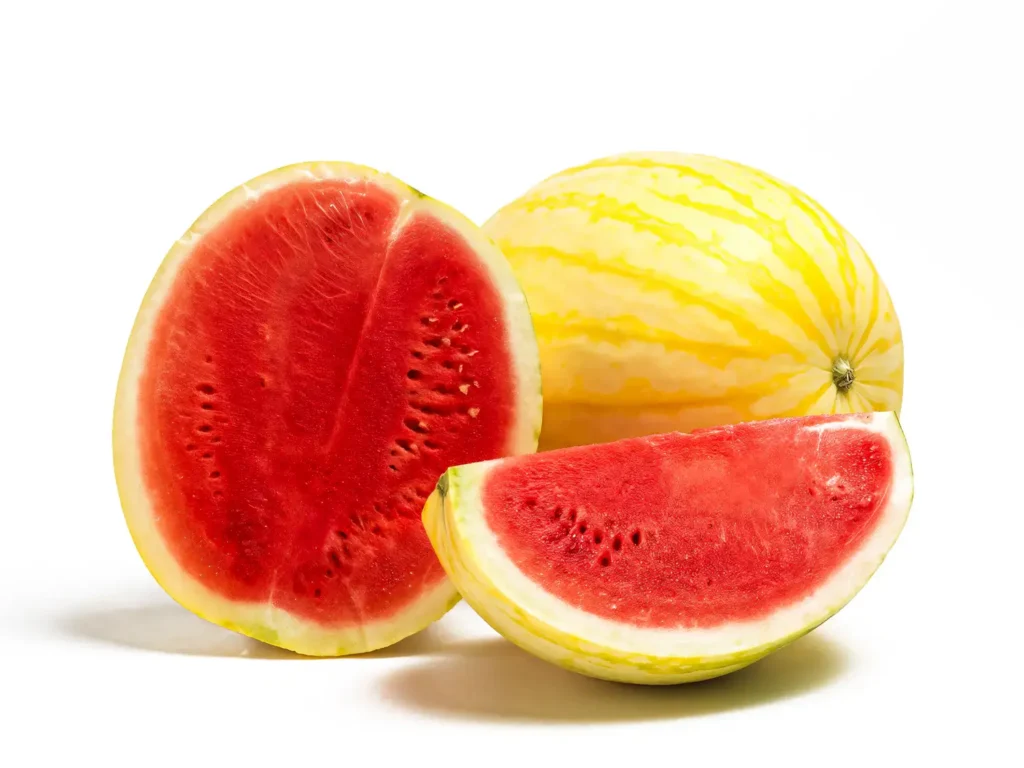
The final yellow melon on this list is a unique one that always amazes me with its beautiful color contrast: the Tropical Apollo. As you can see from the picture above, its yellow rind hides a deep red flesh inside—a striking and unexpected combination.
It doesn’t just stand out in appearance; its flavor is impressive too. The flesh is crisp, juicy, and refreshingly sweet. If you are an adventurous melon lover like me, this is one variety you should try right away if you’ve never tasted it before.