
13 White Berries to Know — Edible and Decorative
White berries may not be as bold as their red or purple counterparts, but they have a beauty of their own. For instance, a bigger percentage have pale, pearl-like clusters that stand out against their deep green leaves. This soft contrast can make your garden or hedge look unique — almost as if it’s lightly dusted with snow — even in the heat of summer or the cool days of autumn. Beyond their ornamental appeal, these berries often serve as an essential food source for birds and wildlife during the lean months of late summer, fall, and winter.
But there’s a catch: while some white berries are perfectly edible and even delicious, many are toxic to humans and should be admired rather than tasted. Knowing the difference is essential for foragers, gardeners, and anyone with curious children or pets.
In this guide, we’ll explore 13 remarkable plants that bear white berries — from edible delicacies and garden-worthy ornamentals to species best left untouched. Whether you’re seeking to enhance your landscape, support local wildlife, or simply expand your knowledge of the plant world, these pale gems have stories worth discovering.
1. White Strawberries / Pineberry
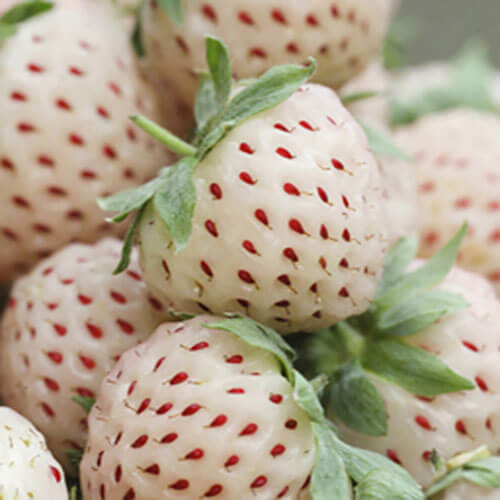
Pineberries look like strawberries turned inside out — they have white skin with red seeds. Their taste is different too, with a light, tropical flavor that’s a mix of pineapple and citrus. These berries are safe to eat and are grown on farms, not found in the wild. They are not very common and are usually sold by special growers or at farmers markets. Because they are pale and not bright red, birds do not notice them as much, so they can be a quiet, easy crop for home gardeners. For foragers, spotting them in the wild is unlikely, but knowing about them helps you identify cultivated varieties in community gardens or heritage farms.
2. White Currants
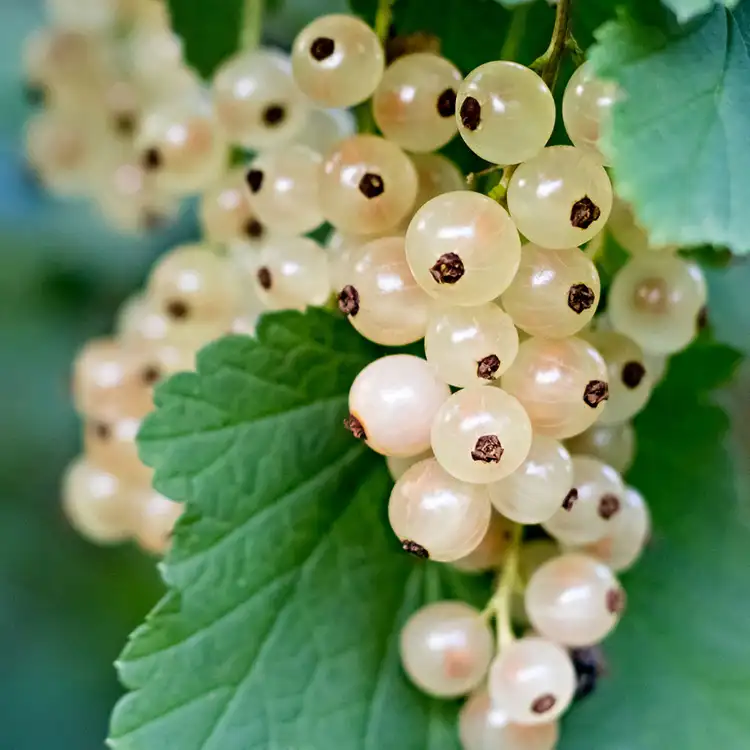
White currants are basically a lighter version of red currants. Their taste is softer too — sweet with just a little tartness. They grow in clusters on small shrubs and are rich in vitamin C. While rarely found in the wild outside their native and cultivated ranges in Europe, white currants can be grown in temperate gardens. For foragers, they’re easy to spot in summer: look for translucent pearl-like berries hanging in grape-like strings.
3. White Mulberries (Morus alba)
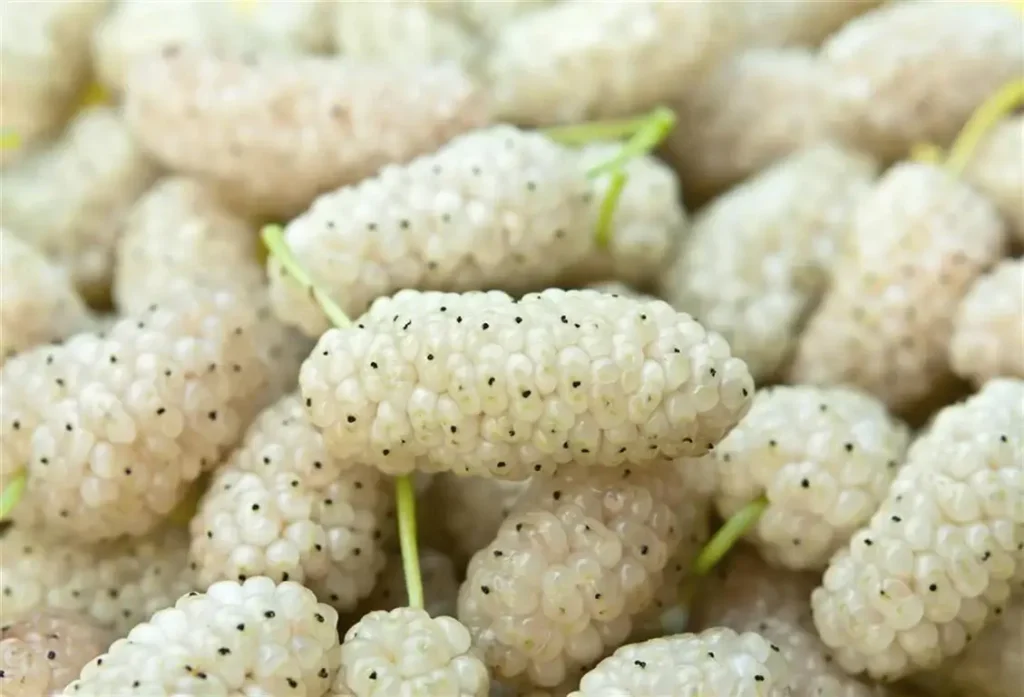
White mulberry trees grow berries that turn pale green to creamy white when ripe. They have a mild sweetness with a soft, almost neutral or slightly vanilla-like flavor. When they’re fully ripe, they become juicy and tender, and their sweetness stands out more because they don’t have the tart taste that red mulberries do. They native to China but now grows in many parts of the world, including North America, where they are even considered invasive in some areas. The berries make a great fresh snack and can also be dried for later use, which is helpful for long-term storage or survival situations. Mulberry leaves are also edible, and they’re well known for being the main food for silkworms.
4. White Elderberries
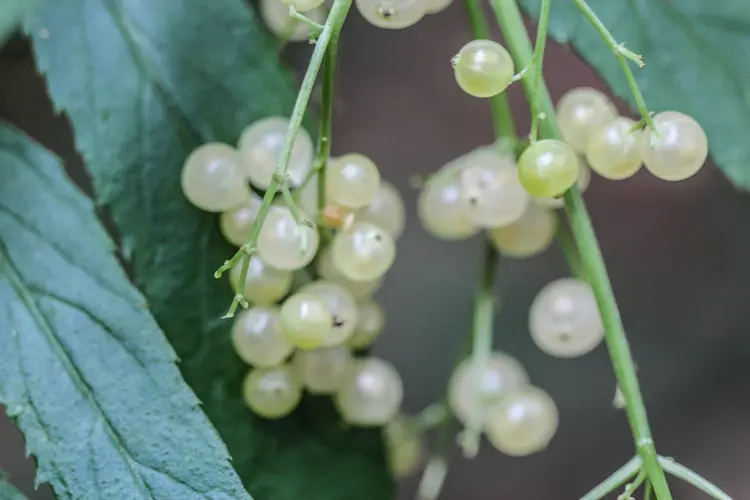
White elderberries are less common than their black or blue cousins. In some cultivars, the berries mature to an ivory or cream color. Elderberries should never be eaten raw, as they contain cyanogenic glycosides that can cause nausea. But cooking them neutralizes the toxin, so experienced foragers can safely use them to make syrups, wines, or even simple medicinal drinks. Still, it’s very important to identify them correctly, because some toxic white berries look very similar.
5. Snowberry
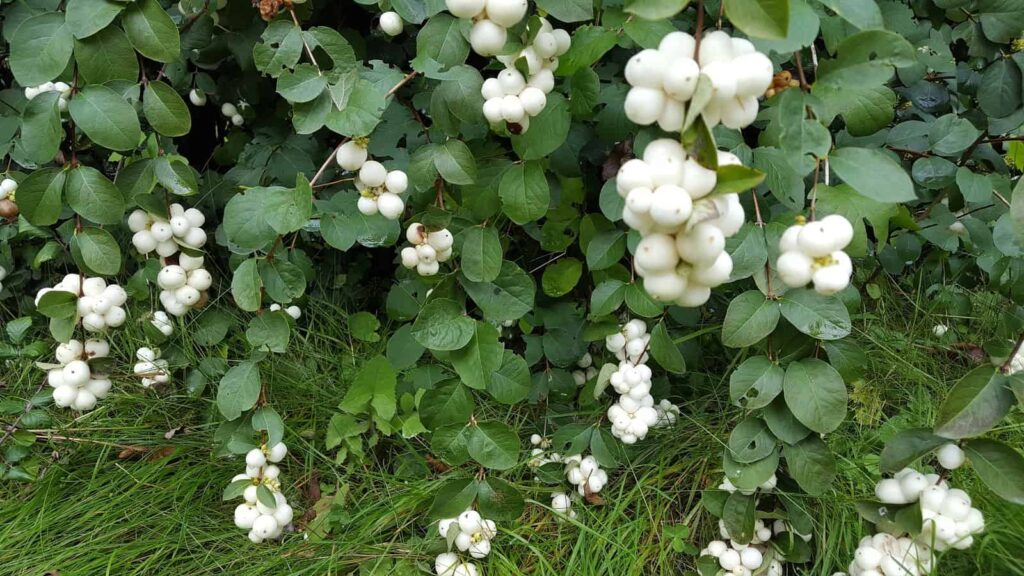
Snowberries are popular in gardens and ornamental landscaping because of their pure white, waxy berries, which often stay on the plant well into winter. Birds such as grouse and quail may eat them, but they’re toxic to humans and can cause vomiting or dizziness. For survivalists, snowberries are a “look but don’t eat” kind of plants. They serve as a clear sign that winter is coming, but they’re not safe to use as food. They grow in thickets, often in open woodlands and along streams in North America.
6. Nandina domestica ‘Leucocarpa’
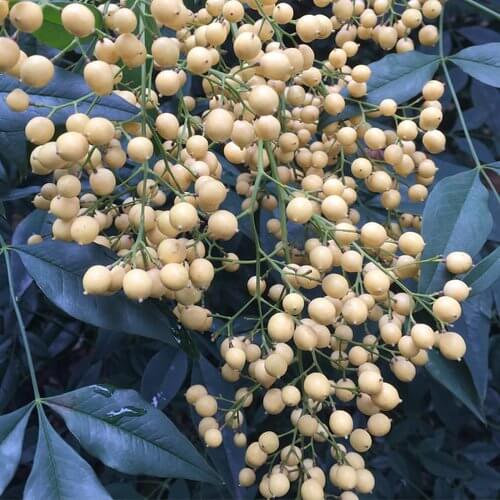
Also called heavenly bamboo, this variety produces white berries instead of the typical red. While striking in winter gardens, all parts of the plant (including the berries) are toxic due to cyanogenic compounds. Birds can eat them, but foragers should only admire them and not try to eat them. The plant thrives in temperate to subtropical climates and is often used in ornamental hedges.
7. Siberian Dogwood Berries (Cornus alba)
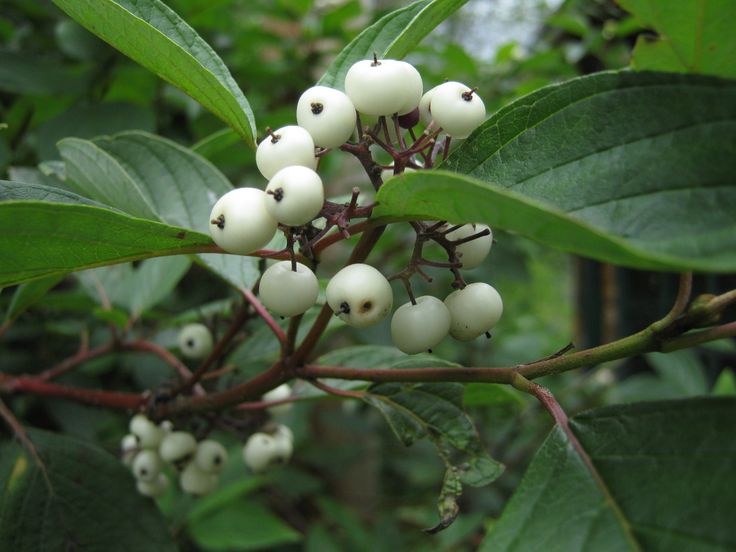
Better known for its vivid red winter stems, Siberian dogwood can also produce creamy white berries, especially in late summer. These fruits are mildly toxic to humans, though they’re eaten by many bird species. For foragers, Siberian dogwood is more of a seasonal landmark than a pantry item. They often signal damp ground or the edge of a wetland.
8. Callicarpa dichotoma ‘Albifructus’ (White Beautyberry)
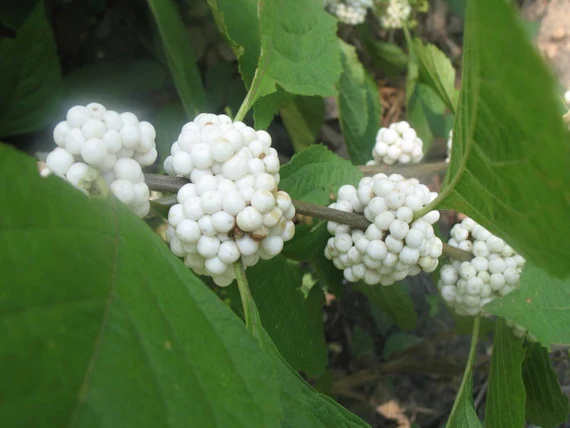
A cousin of the well-known purple beautyberry, the white variety is rarer and very decorative. Its clusters of milky-white berries stay on the branches into winter, providing food for birds when other sources are limited. While purple beautyberries are sometimes made into jelly, white forms are generally grown for ornamental purposes and to feed wildlife, not for eating.
9. White Baneberries (Actaea pachypoda, “Doll’s Eyes”)
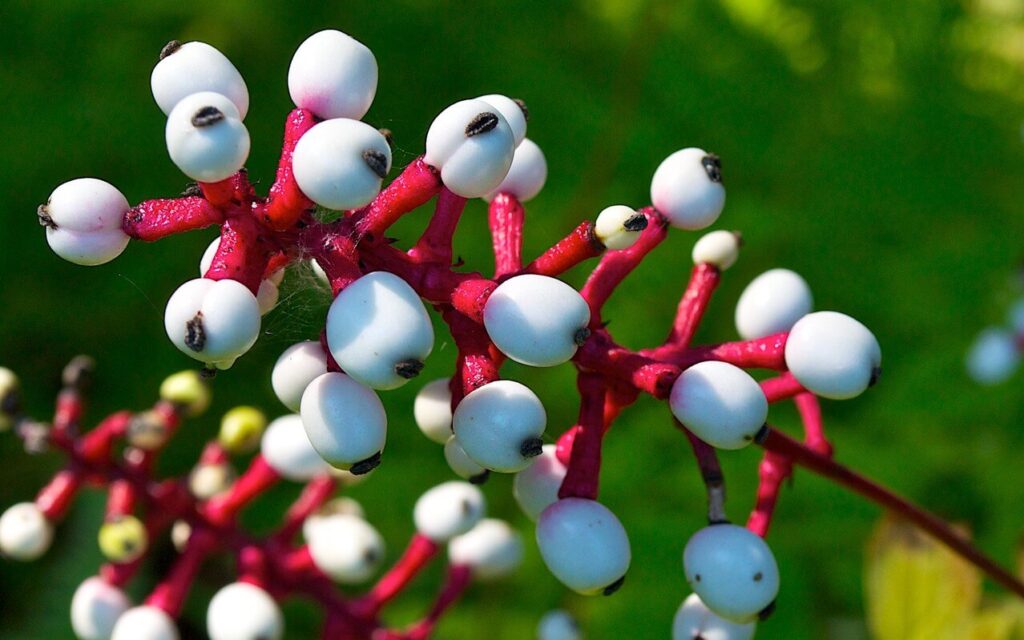
This is one of the most striking but toxic white berries. White baneberries grow in shady woodlands of North America and are instantly recognizable by their porcelain-white fruits with a single dark “pupil,” giving them the nickname “doll’s eyes.” Even a small amount is poisonous to humans and can affect the heart. Foragers should steer clear of the berry, but its presence can signal rich, moist forest soil.
10. Mistletoe Berries (Viscum album, Phoradendron spp.)
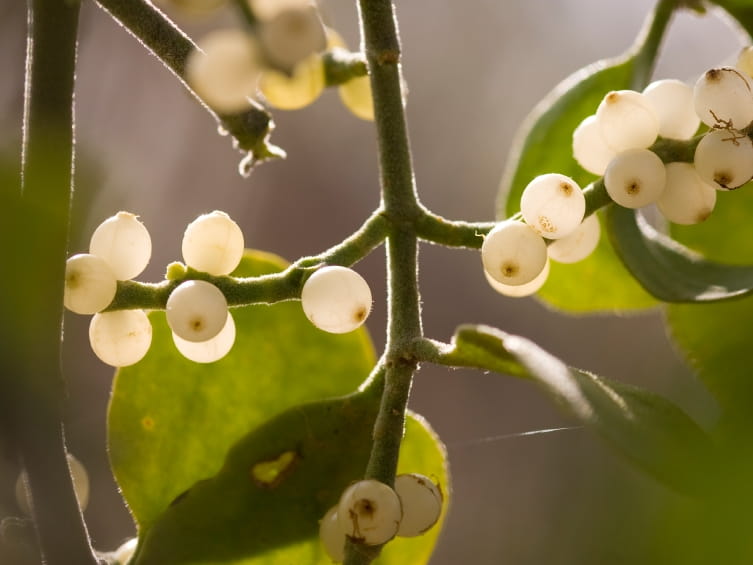
Mistletoe berries are translucent white and grow in clusters high in host trees. All parts are toxic to humans, though some species are used in carefully prepared traditional medicines. For survivalists, mistletoe is not a food source but it can help with winter birdwatching, since birds like waxwings depend on its berries for food.
11. Northern Bayberry (Myrica pensylvanica)
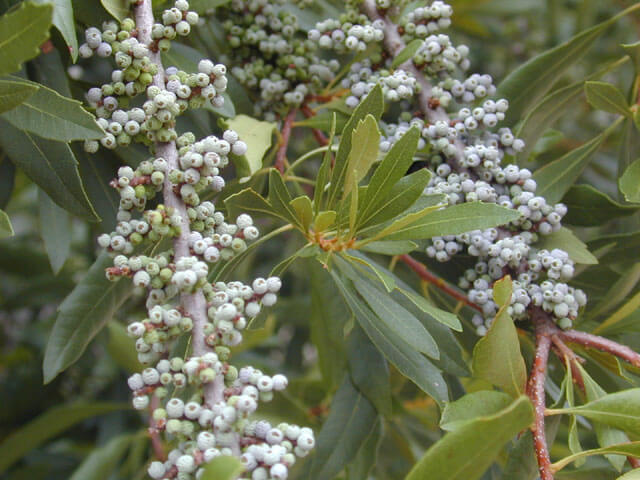
Bayberry shrubs produce small, pale-gray to white waxy berries. They’re not eaten fresh but have been historically boiled to extract wax for candles, a valuable skill for traditional survivalists. They grow in coastal areas and sandy soils, often forming dense thickets that also provide wildlife habitat.
12. Midgen Berry (Austromyrtus dulcis)
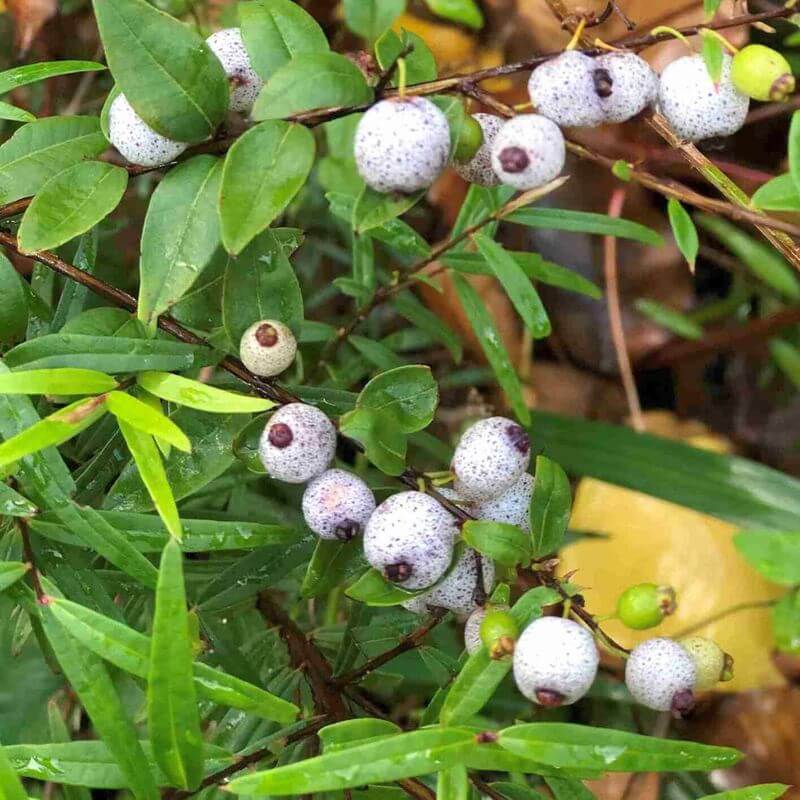
Native to coastal Australia, midgen berries are edible and delicious, with a sweet-tart flavor and soft white flesh flecked with purple spots. They grow on low shrubs and can be eaten fresh or made into jams. Foragers value them for their taste and abundance in sandy or coastal bushland.
13. Kashmir Rowan (Sorbus cashmiriana)
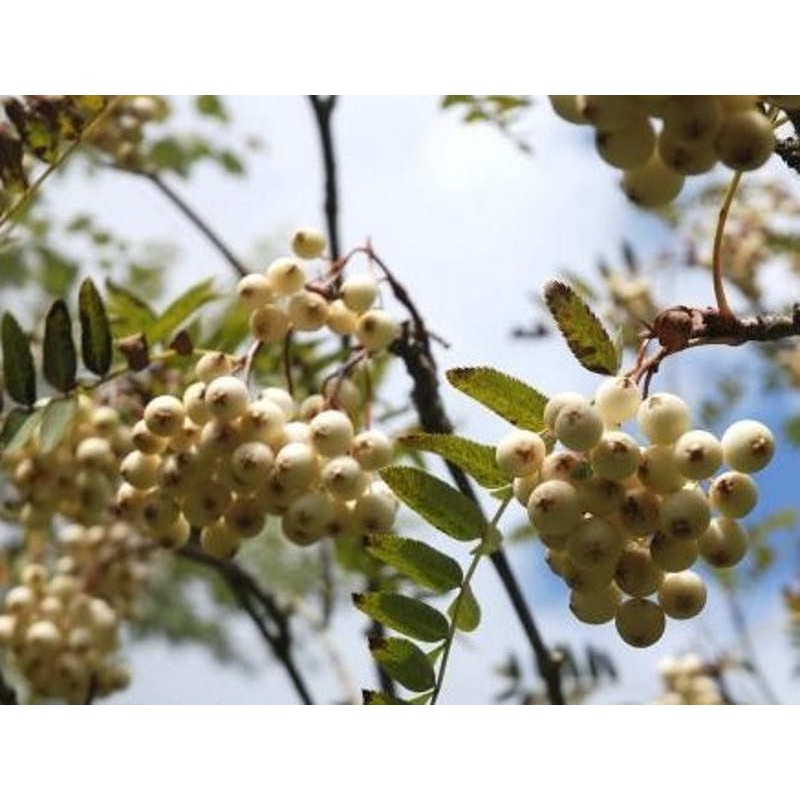
A small ornamental tree from the Himalayas, Kashmir rowan bears clusters of large, pearly white berries that last into winter. Although humans don’t eat them because of their bitter taste, these berries are an important food source for birds in winter. The tree’s showy spring blossoms and decorative fruit make it a popular choice in colder gardens.