
24 Yellow Fruits That Grow On Trees
Are you trying to identify a mysterious yellow fruit you spotted on a tree, or looking for some of the best yellow, tree-bearing fruits to grow in your own backyard? Either way, you’re in the right place. The list below will help you identify that mystery fruit or inspire you with top options to plant at home.
Let’s begin with the first case. First things first, don’t worry if you can’t immediately identify a fruit. You’re not alone; many people struggle with this, especially when the fruit is not common in their region. That said, browsing through the list of yellow fruits below—complete with photos and key features—should help you pinpoint your mysterious find. And if you’re still unsure after that, feel free to share your thoughts or even a picture. This will help us look closer and explore the fruit’s possible identity together.
For the second case, congratulations on considering yellow fruits for your garden! Adding color variety to what you grow is always a smart choice. Different fruit colors often mean different nutrient profiles, which translates to a healthier, more balanced diet.
When people think of yellow fruits, the mind often jumps to familiar favorites like bananas, yellow tomatoes, or loquats—and that’s perfectly fine. But there’s a whole world of yellow fruits out there, far more diverse than most realize. So if you’re choosing a fruit tree for your backyard, you’ll have plenty of exciting options.
To keep this list focused, I’ll highlight only yellow fruits that grow on trees, leaving out ground-growing varieties or vines. The only thing to keep in mind is that each fruit thrives in different climatic conditions and has its own needs when it comes to sunlight, soil, and general care. Be sure to consider these factors before deciding which varieties to plant in your garden.
Without further ado, let’s dive into our list of yellow fruits that grow on trees. I’ve highlighted 24 of the most common types, but if you know others that deserve a spot, feel free to share them in the comments.
Note: As an Amazon Associate, I earn from qualifying purchases at no extra cost to you.
1. Loquat

The loquat tree is a medium-sized evergreen with glossy green leaves and clusters of small yellow-orange fruits. For anyone who hasn’t tasted them before, they’re generally sweet with a pleasantly sharp tartness, especially when slightly underripe. When overripe, they turn wonderfully luscious, though they can be a bit more difficult to peel. You can enjoy them fresh or make tasty jams with them.
Loquats thrive in subtropical to mild temperate climates with well-drained soils (pH 5.5–6). They are cold-tolerant and can survive 8–10°F, but flowers and fruit are damaged below 27°F.
2. Canistel

Cannistel is known by many names, including yellow sapote, cupcake fruit, and egg fruit. Its “egg fruit” nickname comes from its deep yellow-orange color, reminiscent of an egg yolk, and its tapered, pointed shape. Although native to Mexico and South America, it is now cultivated worldwide, including across Asia.
In terms of taste, cannistel is very sweet, rich, and dry. Its flavor is often compared to baked sweet potato with subtle tropical hints of mango or papaya. You can enjoy it fresh, or use it in milkshakes, pastries, and pies. It can also be eaten dehydrated or frozen.
It is a subtropical to tropical fruit that thrives in warm, sunny conditions and adapts well to a wide range of soils, including sandy types.
3. Lemon

When it comes to versatility, lemons are one fruit you can never go wrong with if you’re thinking of planting something in your backyard. They are a staple in my kitchen and a permanent fixture on my shopping list. Whether for juice, zest, or slices, I find them incredibly useful in countless ways: they can replace vinegar in recipes, you can mix them with honey for a quick sore throat remedy, serve them as a flavorful stuffing for roasted chicken, or even brighten up tea in place of milk.
Surprisingly, many people don’t know that lemons are hybrids between sour oranges (or sweet oranges) and citron, the traditional citrus species that gave rise to many of the fruits we enjoy today. (Discover other hybrid here).
Lemons thrive in warm, sunny climates with well-draining soil. While they can tolerate some shade, direct sunlight is essential if you want to harvest healthy, abundant fruit.
4. Quince

Quince resemble pears, and it’s no coincidence—they belong to the same family as roses. Most varieties have a slightly tart flavor, and the texture of their flesh can make you pucker, so eating them raw may not be the most pleasant experience. However, their delightful aroma more than makes up for it: sweet, floral, and fresh, it fills any kitchen with a wonderful scent.
Another unique reason to include quinces in your backyard or shopping list is their natural gelling properties. You can effortlessly turn them into jams and preserves, adding a delicious homemade touch to your pantry.
Quinces are moderately cold-hardy and can tolerate winter temperatures as low as -20°F. They adapt to a wide range of soil types, though they thrive best in deep, fertile, and moisture-retentive soils.
5. Nance

If you’re searching for a yellow fruit with a unique, intense aroma, nance is a great option to consider. It comes from the Byrsonima crassifolia tree—a hardy, drought-tolerant shrub. Much like canistel, nance goes by many names: nanche in Mexico, hogberry in Jamaica, and yaca in Colombia, among others.
It is native to Central and South America as well as the Caribbean, but you can grow it anywhere as long as you live in a warm, tropical region with plenty of sunlight and well-drained soil. It’s naturally drought resistant but not very cold hardy, so it performs best in climates that stay warm throughout the year.
6. Persimmon

There are many varieties of persimmons, but the two most common are Fuyu and Hachiya. If you’re looking to taste or grow this wonderful yellow fruit, these are the varieties you’re most likely to encounter. Before they fully ripen, both can taste a bit tart, but once mature, they develop a sweet, honey-like flavor that makes them truly irresistible.
Persimmons thrive in full sun and in areas sheltered from strong winds. Since their roots are prone to rot in waterlogged soil, it’s best to plant them in well-drained soil to keep them healthy and productive.
7. Medlar
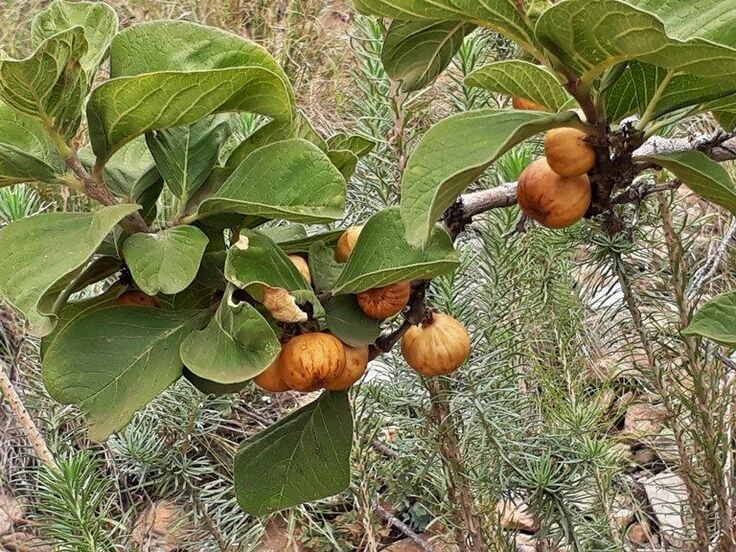
Many people refer to it as an old-world fruit tree because it was once highly prized in European orchards. Despite its historical roots, it is surprisingly easy to grow and wonderfully versatile. Some varieties can be enjoyed fresh from the tree when fully ripe, while others are perfect for turning into jellies, chutneys, or even traditional medlar syrup.
It makes a charming addition to any backyard, thanks to its beautiful spring blossoms and rich fall color.
These trees perform well in temperate regions and prefer well-drained, loamy soil with a pH of around 6.0.
8. Ugli Fruit

Humorously nicknamed ugly fruit, the ugli or unique fruit (also known as the Jamaican tangelo) is another yellow hybrid worth adding to your backyard. As the name hints, this citrus may not win beauty contests, but its flavor certainly makes up for it.
If you’re curious about its origins, it’s a natural hybrid of orange, tangerine, and grapefruit. Its taste reflects that blend: more tart than an orange, sweeter than a grapefruit, and notably less bitter.
They need full sun, plenty of water, and well-drained soil. With the right conditions, they’ll reward you with a delicious, fragrant harvest.
9. Yellow Apple

Golden-yellow apple varieties like Yellow Delicious and Dorsett Golden are not only inviting to sample, but also wonderfully sweet once you taste them. They’re excellent for eating fresh, baking into pies, or turning into preserves.
These hardy trees perform well even in poorer soils and can withstand cold winters, making them reliable choices for a wide range of climates. Their crisp texture, sweetness, and extra juiciness make them perfect for anyone looking to grow something smooth, refreshing, and a little different from the classic red varieties.
However, these apples are prone to russeting in wetter regions, so they tend to do best in warmer, drier climates.
10. Yellow Plum

Yellow plums have been part of many cultures since ancient times, thanks to their sweet, mild flavor. They were first grown in China and the Middle East before spreading to Europe and the Americas. Today, they’re cultivated worldwide and remain a favorite in many regions.
If you’re looking for a bright yellow fruit to add to your backyard, yellow plums are definitely a great choice—you can’t go wrong with them. They’re not only delicious but also packed with vitamin C, fiber, and powerful antioxidants, making them as nutritious as they are appealing.
11. Yellow Pear Guava
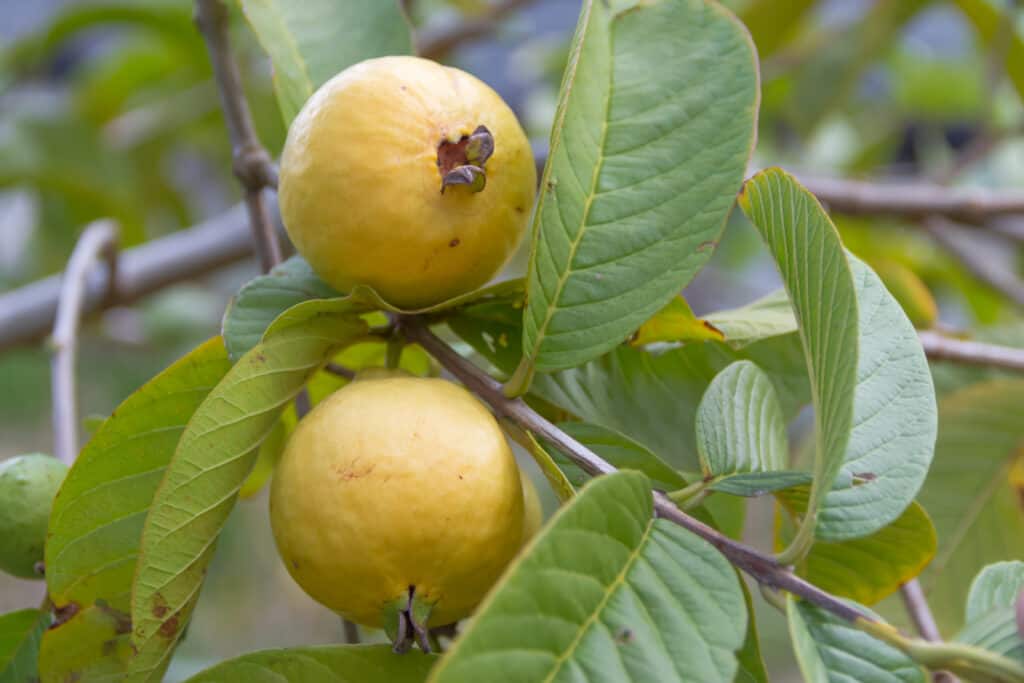
Another yellow fruit that many people don’t realize carries powerful medicinal properties is guava. It has long been used to help manage a wide range of health issues, including diarrhea, diabetes, coughs, high blood pressure, and even certain types of cancer.
But even without its impressive health benefits, guava is simply a joy to eat. Its sweet–tart flavor makes it refreshing whether you eat them fresh, turn them into juice, or make them into preserves.
For the best flowering and fruit production, yellow pear guava trees thrive in full sun and well-drained soil, making them perfect for anyone looking to grow a vibrant, productive tree in their backyard.
12. Abiu

Abiu is a subtropical–tropical fruit tree that thrives in hot, humid climates with well-distributed rainfall. It also grows well in warm, humid areas as long as it’s protected from strong winds and freezing temperatures. If your region meets these conditions, abiu is another excellent yellow fruit tree to consider for your backyard.
People often describe its flavor as creamy and jelly-like, with hints of caramel and vanilla. You can enjoy it fresh straight from the tree or use it as a delicious ingredient in sorbets and ice cream.
13. Starfruit

Star fruit has been gaining popularity worldwide, thanks to its striking star shape when sliced. You can easily join the trend by adding this beautiful fruit tree to your backyard orchard. Beyond its eye-catching yellow color, star fruit offers a sweet–tart flavor that makes it enjoyable in everything from fresh snacks to juices and salads.
And it’s not just about looks and taste—you’ll also benefit from a wealth of nutritional perks, including antioxidants, support for heart health, improved digestion, and blood-sugar-friendly properties.
Star fruit trees thrive in full sun and require at least 1,800 mm (70 inches) of annual rainfall, making them ideal for warm, humid climates.
14. Hog Plum

This fruit may be less well-known than some of the other yellow fruits we’ve covered, but it’s definitely worth considering, especially given its growing popularity for its health benefits and unique flavor. Known by many names—yellow mombin, hog plum, amra, or cajazeira—hog plum is a true superfruit packed with vitamins A, C, and E. Its flavor is often described as a delightful blend of citrus and mango.
Like many of the fruits highlighted here, you can enjoy hog plum raw, cooked, or transformed into jams, jellies, and beverages. Even the leaves and bark have uses in traditional medicine.
Hog plum thrives in full sun to partial shade and is remarkably resilient, able to grow in challenging conditions, thanks to its drought-resistant nature and deep root system.
15. Yellow Peach

I personally prefer yellow peaches over white peaches because they have a brighter tartness and a sharper, more satisfying flavor. That natural tang really lifts desserts like pies, crisps, and cobblers, and it beautifully balances the sweetness in jams and preserves. So if I had to choose which variety to grow in my backyard, I’d definitely go for yellow peaches—I’ll admit I’m biased, but they’re a solid choice if you’re looking for a yellow fruit tree to plant.
Yellow peaches thrive in temperate climates with hot summers and cold winters, and they perform best in well-drained soil. With the right conditions, they reward you with fragrant blossoms in spring and delicious fruit in summer.
16. Mandarin

Apart from lemons and ugli fruit, another yellow citrus you can consider is the mandarin orange. Mandarins are low in acidity and wonderfully juicy, making them perfect for snacking as well as for adding brightness to desserts, salads, and cakes. Their fresh peels also yield an essential oil that can be used to flavor jellies, ice cream, sweets, and baked goods.
Mandarin oranges carry cultural significance too. During Chinese New Year, they are seen as symbols of good fortune, happiness, and prosperity—and who knows, maybe having one in your backyard will bring a little extra luck your way.
They thrive in well-drained loamy soil with a pH between 5.5 and 6.5. For optimal growth, mandarins prefer an average temperature of about 65°F, where they can stay consistently warm without overheating.
17. Yellow Custard Apple
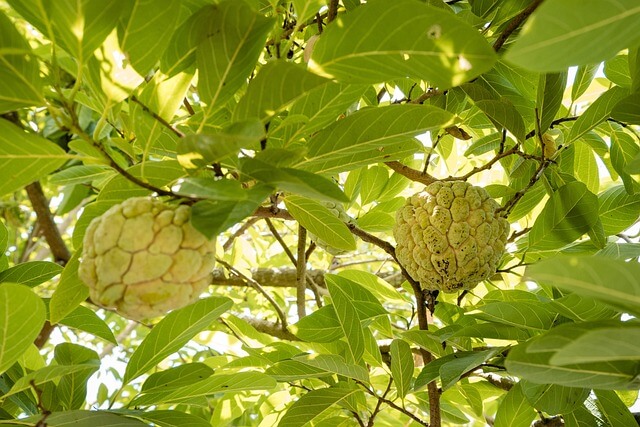
Yellow custard apple is an easy fruit to grow, even if you keep the tree small—making it perfect for compact backyards. It requires very little maintenance, yet still produces reliable harvests. You can enjoy the fruit fresh or blend it into smoothies and desserts.
Its skin has a distinctive, scale-like pattern that’s sure to spark curiosity from anyone who visits your garden. When it comes to flavor, yellow custard apple is loved for its creamy, custard-like flesh that’s both sweet and refreshing.
18. Cempedak

Cempedak, a close cousin of jackfruit, is well-loved in Southeast Asia for its intense aroma and rich, honey-sweet flavor. Its golden-yellow flesh can be juicy and melting or slightly fibrous, but it’s always wonderfully flavorful. While many people adore its strong scent, others find it a bit overpowering, so it’s worth considering this before planting one in your backyard.
That said, cempedak is truly a delicacy. You can enjoy it fresh, fry it into crisp, addictive snacks, or use it to create unforgettable desserts.
19. Yellow Dragon Fruit

Also known as pitahaya, yellow dragon fruit is a fantastic choice if you want to take your backyard’s exotic appeal to the next level. It’s quite rare, so having one not only elevates the look of your garden but also adds something truly special to your fruit collection.
Its white interior, dotted with tiny black seeds, makes it instantly recognizable. When it comes to flavor, yellow dragon fruit stands out with a sweeter profile—often compared to honey—with just a hint of gentle tang.
20. Cacao
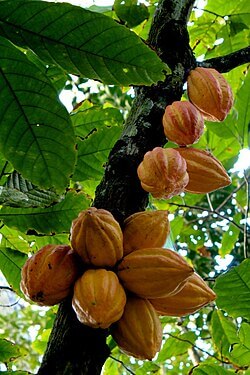
The cacao tree also produces yellow fruits, making it a unique and rewarding addition to any backyard. Its football-shaped pods change from green to yellow or orange when they ripen, and inside each pod are seeds covered in sweet, white, tangy pulp. These seeds—once dried, fermented, and processed—are what eventually become chocolate, one of the world’s most cherished treats.
A cacao tree typically takes 3 to 5 years to mature and begin producing pods, with five years being the most common timeframe. So if you’re planning to enjoy your own home-grown cacao, that’s the patience window to keep in mind.
21. Jelly Palm

Another yellow fruit worth mentioning is the jelly palm, a small ornamental palm from Brazil. In summer, it produces clusters of yellow, plum-sized fruits that are sweet and tangy. You can enjoy them fresh or turn them into delicious jellies.
Jelly palms grow at a slow to moderate pace, adding about 12 to 24 inches (30–61 cm) in height each year, so you’ll need a bit of patience before your first harvest.
22. Yellow Rambutan
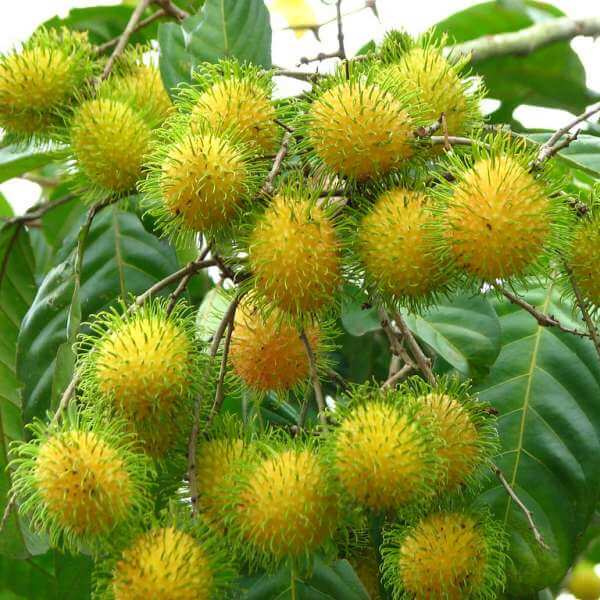
The yellow rambutan, with its spiky, soft “hairy” skin, looks both exotic and playful, making it a yellow fruit I can confidently recommend for any backyard. Inside, its translucent flesh is sweet and juicy, though its seeds must be cooked before eating. Native to the tropics, yellow rambutans thrive in warm, humid conditions with full sun and prefer well-draining, slightly acidic soil with a pH of 5.5 to 6.5.
23. Yellow Fig

Yellow figs are small, golden fruits that grow on compact tree, and are other great yellow fruit choices I can recommend for any backyard. Their sweet, honey-like flavor pairs beautifully with cheeses or baked goods.
Easy to grow and visually appealing, fig trees will serve a dual purpose if you decide to include them in your backyard : they produce delicious fruits while adding charm to your landscape. They thrive in sun-filled, mild climates, making them both practical and attractive for home gardens.
24. Khirni (Rayan)

Our final entry is the khirni tree, also known as rayan, a hidden gem from South Asia. It produces small, oval yellow fruits with soft, creamy pulp that has a gentle sweetness and a mild, pleasant aroma. Valued not only for its delicious taste but also for its traditional medicinal uses, the khirni tree is a great choice if you want a fruit tree that offers both food and a touch of heritage.