
13 Red Fruits with White Inside
Have you ever come across a red fruit with a white interior and wondered what it might be? The most common possibilities are lychee or rambutan. However, if we dig a little deeper, there are actually many red fruits with white flesh.
To help you identify your mysterious fruit, I’ve put together a list of fruits that match this description—complete with pictures so you can compare them to your find, along with interesting details about each one. Enjoy exploring!
1. Lychee
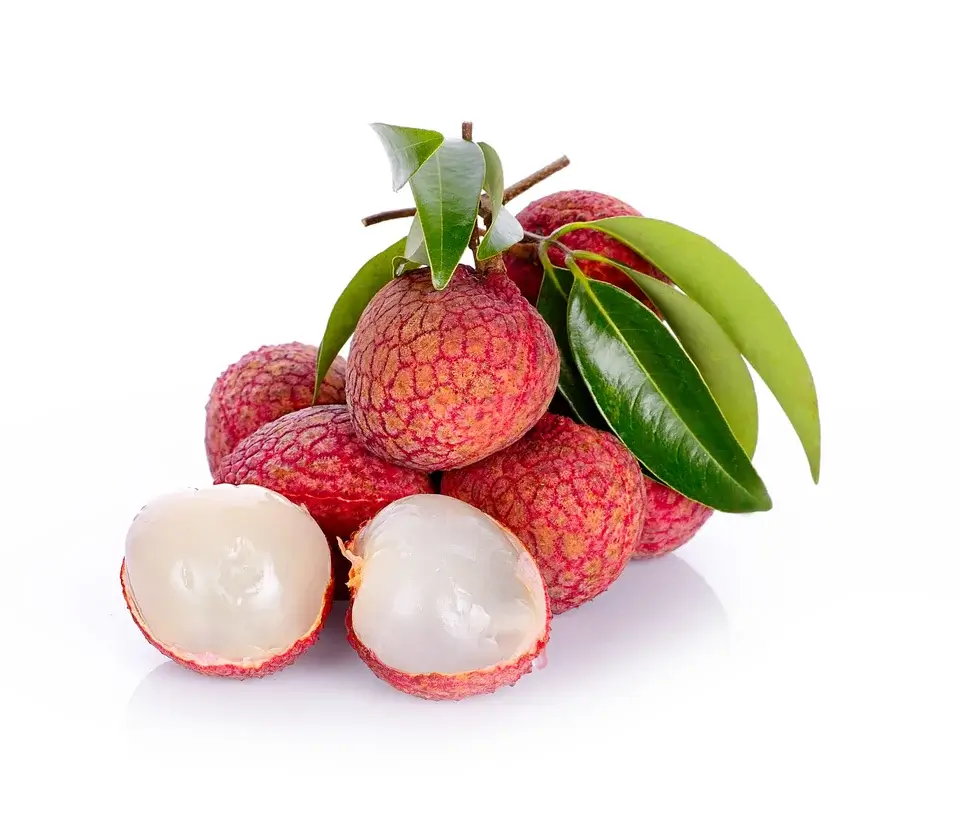
As mentioned earlier, the first red fruit with white inside is the lychee. It has a rough, red shell that you peel away to reveal soft, white, juicy flesh. Inside the flesh is a single dark, inedible seed. The bright red skin and pearly white center make the fruit look very attractive. Lychee is also very healthy. It is full of vitamin C, fiber, and antioxidants. Eating it can help support your immune system, improve your skin, and aid digestion.
2. Rambutan
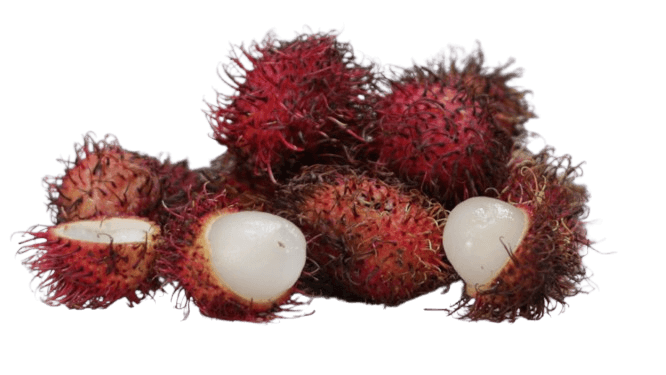
This tropical treat stands out with its bright red skin covered in soft, hair-like spines. Beneath the shell is a sweet, creamy white pulp that clings to a seed. Native to Southeast Asia, rambutan offers a refreshing flavor and a healthy dose of vitamin C, making it both delicious and nourishing.
3. Dragon Fruit (Red Skin Variety)
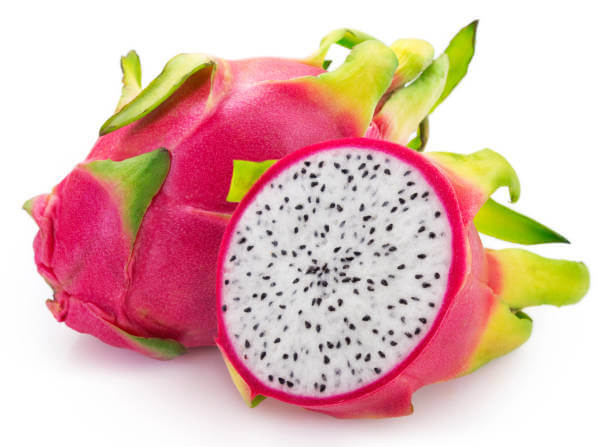
Dragon fruit’s vivid red exterior hides a mild, sweet white flesh speckled with tiny black seeds. Dragon fruit grows on a cactus, specifically tropical, climbing cactus from the Hylocereus or Selenicereus genus. Although originally native to southern Mexico and Central America, these cacti are now cultivated in many parts of the world. Dragon fruit is full of vitamins, fiber, and antioxidants. So, it is a fruit that not only decorates your plate but also support your overall health and wellness.
4. Mangosteen (Red-Skinned Variety)
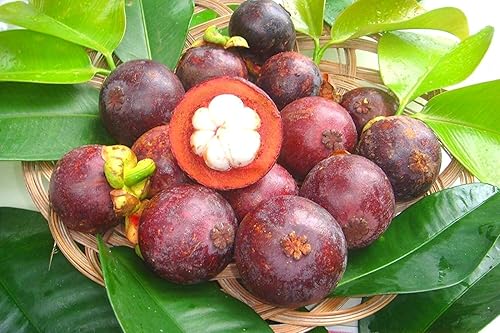
Also called the “queen of fruits,” mangosteen has a thick, reddish-purple rind that protects its delicate white segments. The flesh is juicy, sweet, and tangy, with a soft texture that melts in your mouth. It is highly cherished in Southeast Asia, where locals eat it fresh or use it in desserts. It is valued for its refreshing flavor and many potential health benefits. In particular, Mangosteen is packed with xanthones, powerful antioxidants that may support heart health and reduce inflammation. It’s also believed to be a good source of fiber, which aids digestion, and vitamin C, which boosts the immune system.
5. Pulasan
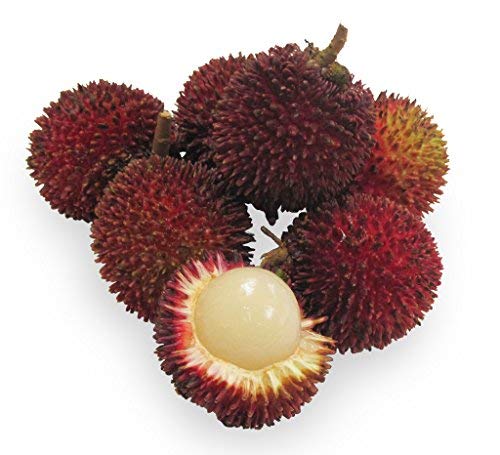
Pulasan looks like rambutan, but its red skin is thicker and its sweet white aril is even easier to enjoy. Native to tropical regions, it’s a rare find with a smooth, sugary taste and no sourness. Pulasan is loved not only for its flavor but also for its potential to help manage appetite and support digestion.
6. Ackee (Ripe)
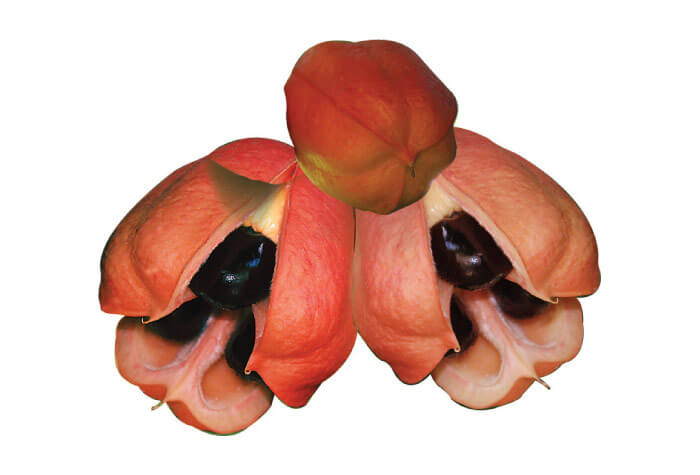
When fully ripe, the bright red pod of the ackee splits open to reveal creamy white arils. Native to West Africa but famous in Jamaica, ackee must be prepared properly before eating. Once cooked, its smooth texture and mild flavor resemble scrambled eggs, making it a unique and nutritious addition to savory dishes.
7. Apple
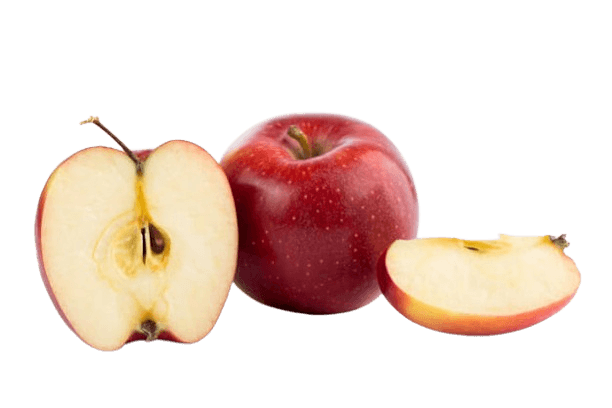
Not all apples are red on the outside and white inside, but many varieties fit this description perfectly. Beneath the crisp red skin lies juicy, sweet-tart white flesh. Apples are among the most popular fruits worldwide, enjoyed fresh, baked, or juiced. They’re also rich in fiber, vitamin C, and antioxidants.
8. Rose Apple (Red Variety)
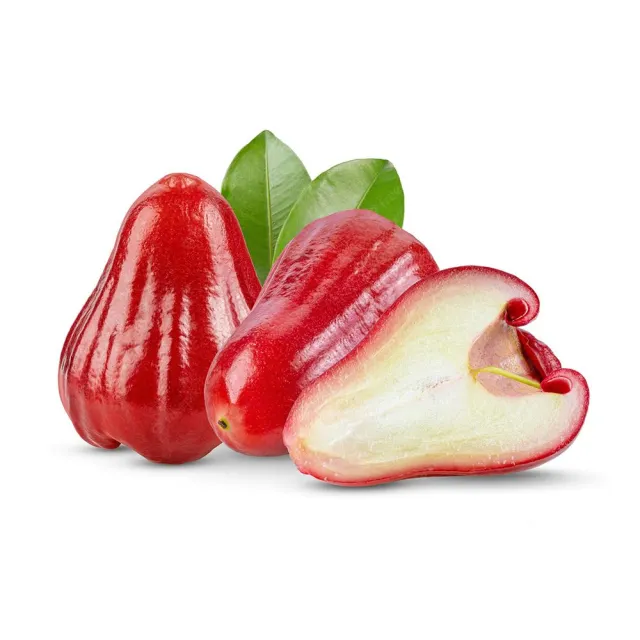
Also called red wax apple, this fruit boasts glossy red skin with a crisp, watery white interior. Mildly sweet and refreshingly light, it’s a popular snack in tropical regions. In addition to being low in calories, rose apples are valued for their many health benefits, including supporting digestion, hydration, and heart health. Their bell-like shape makes them even more appealing.
9. Malay Apple (Water Apple)
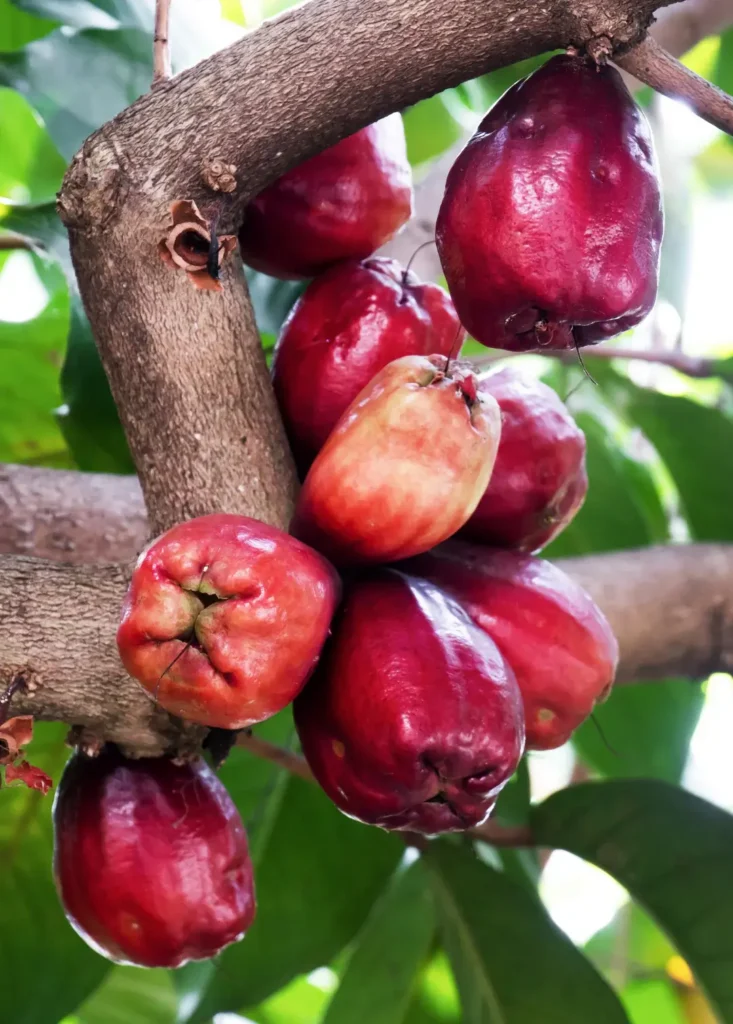
The Malay apple is a striking red, bell-shaped fruit with crisp, juicy white flesh surrounding a single seed. Native to Malaysia and grown in tropical regions like the Caribbean, it’s admired for both beauty and flavor. It is mildly sweet and refreshing, and it’s often eaten fresh or used in drinks, salads, and desserts.
10. Red Banana
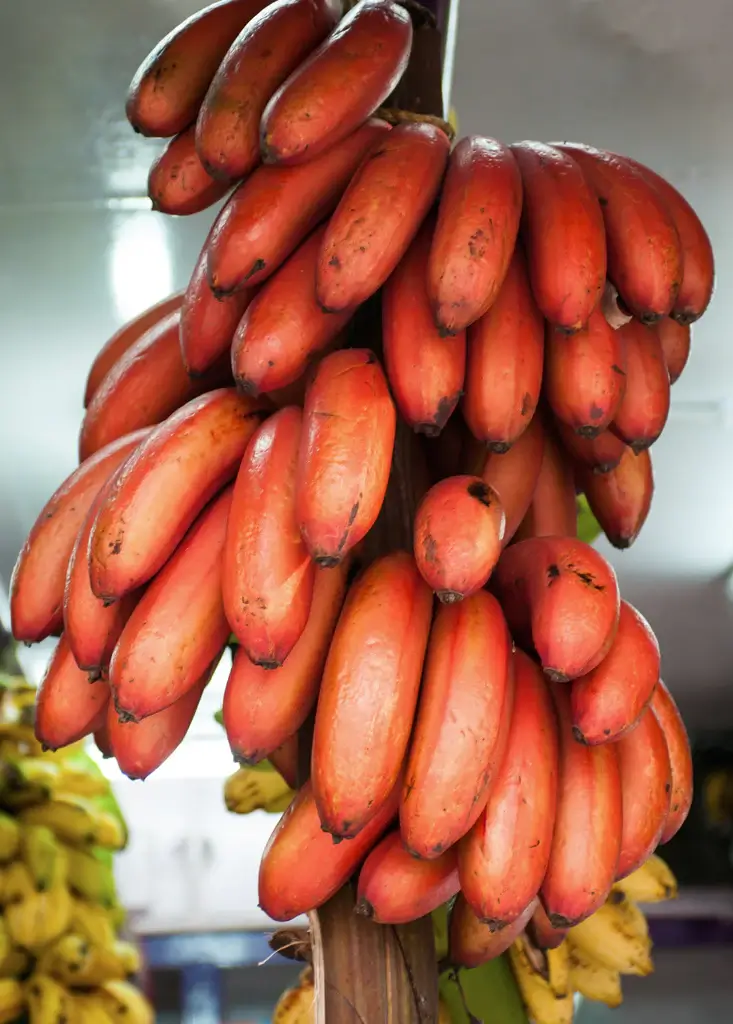
While most bananas have yellow skin, the red banana stands out with its reddish peel and creamy pale interior. Sweeter and softer than the common variety, it carries subtle raspberry-like notes. Red bananas are nutritious and high in fiber, potassium, and vitamin C. They support digestion, heart health, and the immune system. This makes it a healthy snack that also works great in smoothies, baked goods, or fruit salads.
11. Bayberry
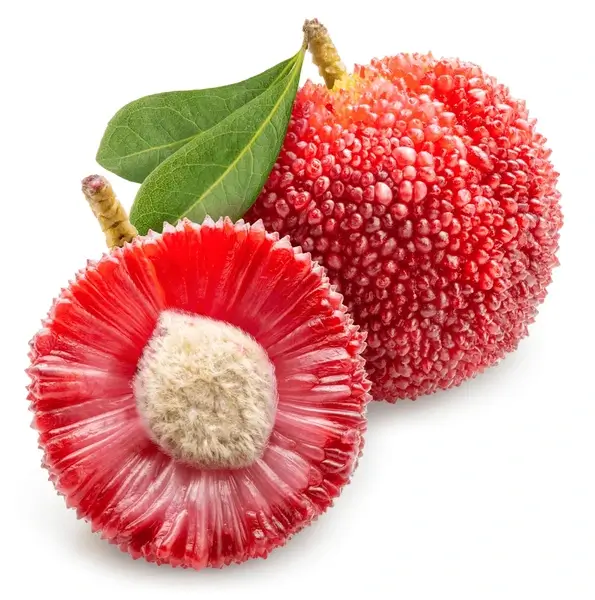
Bayberry is a small, round, scarlet fruit with juicy pale pulp inside. Native to various parts of Asia but also grown worldwide, it offers a tangy, slightly sweet flavor with a hint of astringency. Often eaten fresh, preserved, or juiced, bayberry is valued for its refreshing taste and high antioxidant content.
12. Miracle Berry
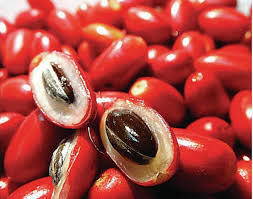
The miracle berry is a small, bright red fruit with a pale, fleshy interior. Native to West Africa, it’s famous for its unusual ability to make sour foods taste sweet. This effect comes from a natural compound called miraculin, which temporarily changes how your taste buds perceive flavors. Beyond its novelty, it’s sometimes explored as a sugar alternative.
Discover other fruits with sweetening capabilities: 5 Berries That Make Things Sweet
13. Quandong
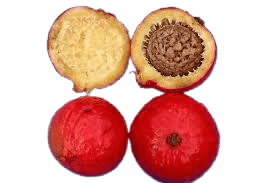
Quandong is a glossy, scarlet-red fruit native to Australia’s arid regions, with firm pale flesh surrounding a large seed. It is slightly tart yet pleasantly sweet, making it perfect for jams, pies, and chutneys. Rich in vitamin C and antioxidants, this desert fruit has a long history in Aboriginal cuisine and is now valued for its unique flavor and cultural significance.