
10 Purple Berries You Won’t Believe Actually Exist
The famed horticulturist Luther Burbank once said, “Flowers always make people better, happier, and more helpful; they are sunshine, food, and medicine for the soul.” And in the world of fruits, berries carry that same magic — bringing bursts of color, intrigue, and charm to our surroundings. Among the rainbow of nature’s harvest, few sights are as striking as a cluster of true purple berries. Their bright, jewel-like colors stand out, whether they hint at a tasty flavor or just add beauty to the surroundings.
With a head start from Burbank’s inspiration, I’ve gathered some of the most remarkable purple berries — a mix of edible delights, ornamental beauties, and inedible wild finds — to help you discover, grow, or simply admire nature’s most regal fruits.
1. Beautyberries (Callicarpa species)
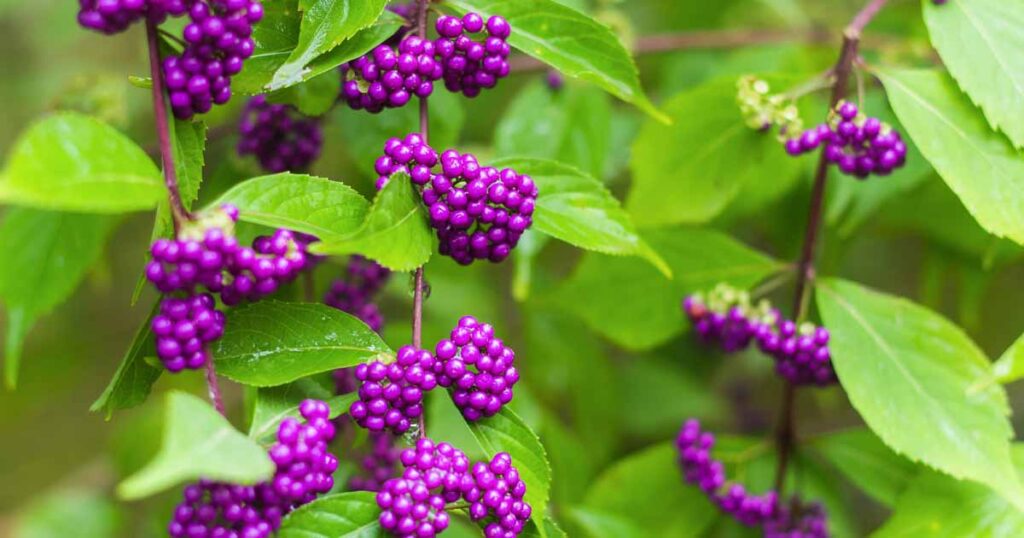
A true showstopper in the fall landscape, beautyberries grow in tight clusters of metallic purple beads that almost look artificial. While their taste is mild and slightly astringent when raw, they can be transformed into delightful jellies or syrups. For foragers, they are a nice late-season treat, adding color when many other plants have gone dormant. They are also loved by wildlife, so if you want to harvest them, do it early before the birds get them.
2. Prickly Heath Berries (Acrotriche serrulata)
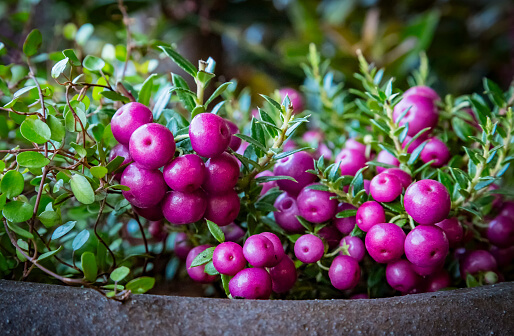
Native to Australia, Prickly Heath produces small, deep purple berries that hide beneath spiky foliage. They’re not the easiest fruit to spot or gather, but their sweet, slightly tangy flavor makes the effort worthwhile. The berries have long been part of Indigenous diets, and for modern foragers, they’re a satisfying find in heathlands and coastal areas.
3. Tasmanian Flax Lily Berries (Dianella tasmanica)
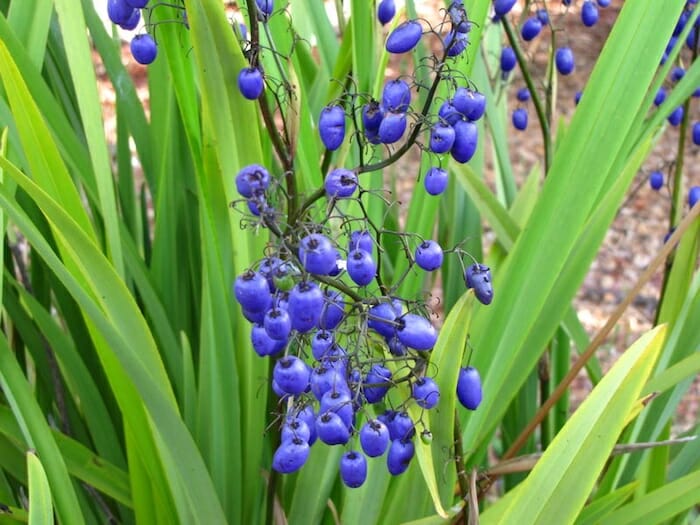
These striking berries are a vibrant indigo-purple and almost look like polished gemstones. While the berries themselves are not considered edible for humans, the plant is grown ornamentally for its beauty. Foragers should remember that this plant is meant to be admired, not eaten. Its main value is in landscaping and providing a home for pollinators.
4. Coral Berry (Symphoricarpos orbiculatus)
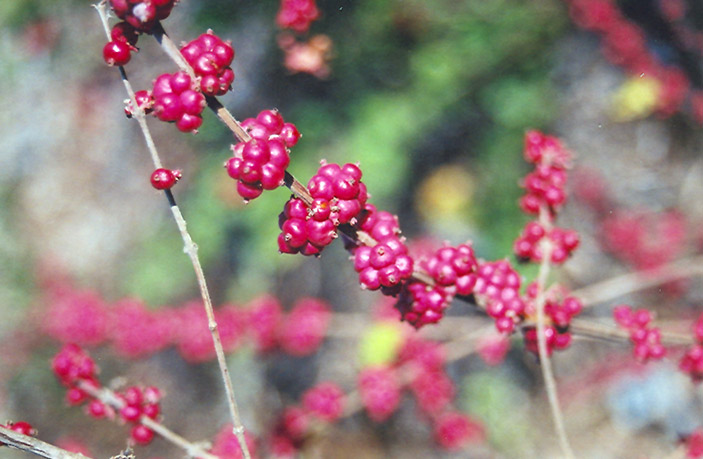
Coral berries are more often pink to purplish-red, but some can take on dusky purple hues in the right light. Although visually appealing, they are mildly toxic to humans and should not be eaten. However, they are great sources of food for some birds in winter and make a nice, attractive groundcover in the wild or in gardens.
5. Witherod Viburnum Berries (Viburnum nudum)
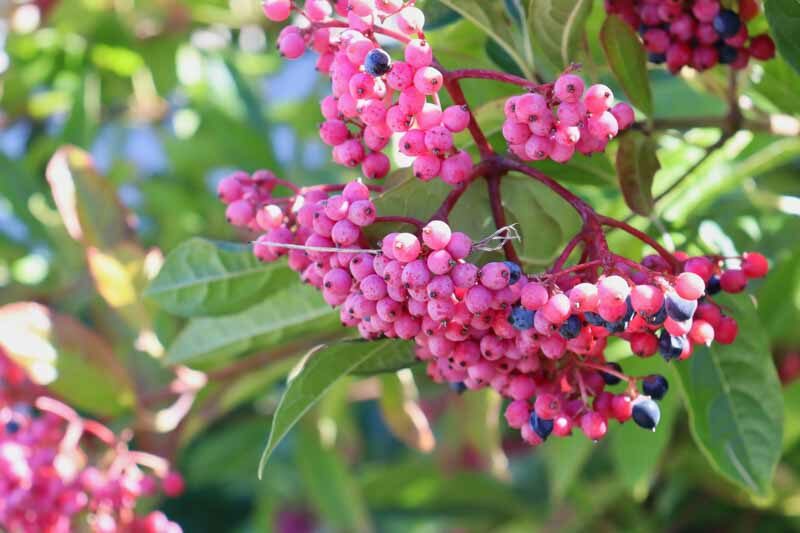
Also known as Possumhaw, Witherod berries start out pink, shift to blue, and mature into a glossy deep purple-black. They have a slightly bitter taste and are not widely eaten by humans, but their beauty in autumn and winter is unmatched. For foragers, the way their colors change can you help identify the plant and track the seasons.
6. Porcelain Berry (Ampelopsis glandulosa var. brevipedunculata)
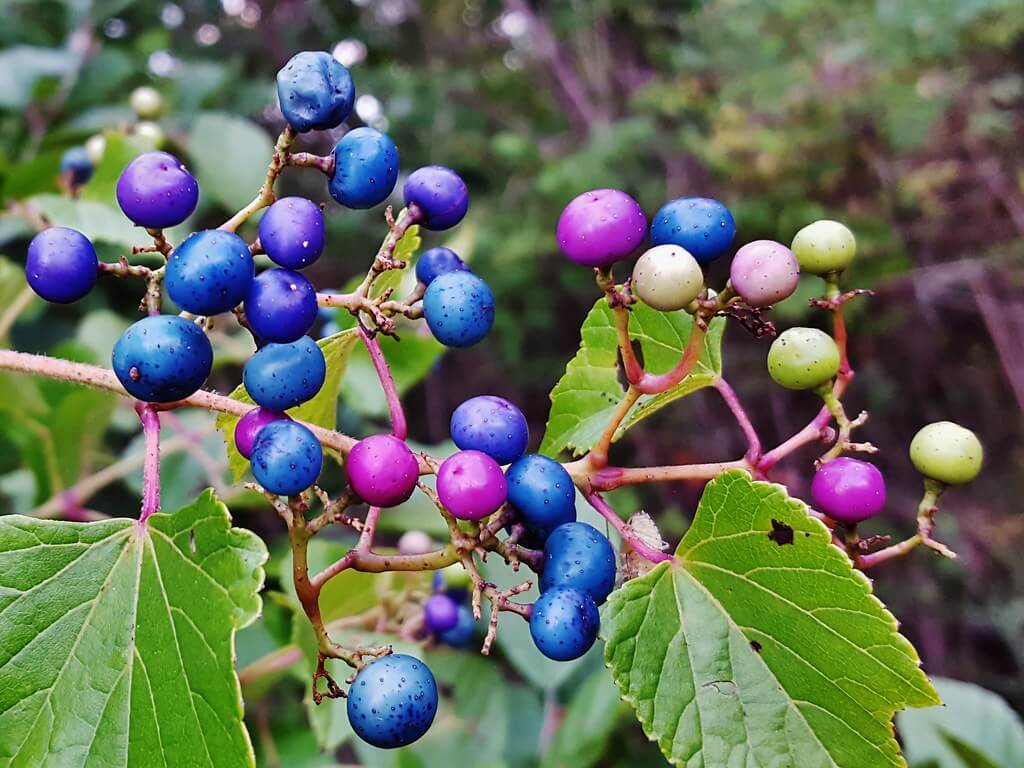
This invasive vine produces berries in a mix of colors — from turquoise to lilac to deep purple — often all on the same cluster. Although the berries look attractive, they are not edible. Because they are invasive, they can quickly take over areas where native plants grow. Foragers should learn to recognize the berries for identification purposes only but should avoid doing anything that might help them spread.
7. Stardust Purple Goji Berry (Lycium barbarum cultivar)
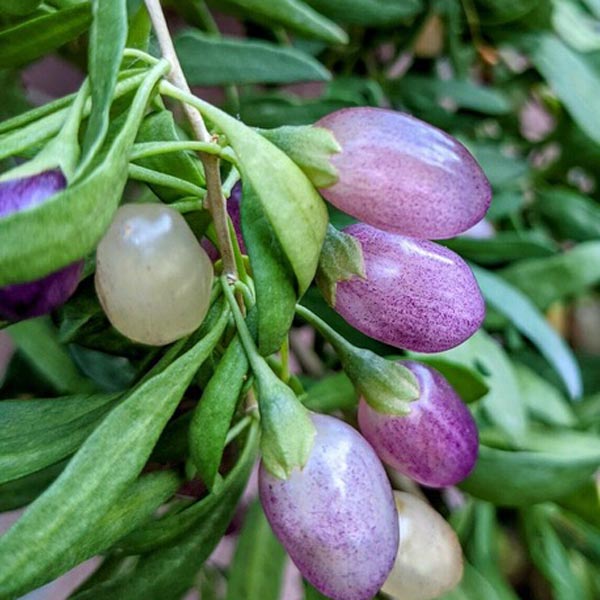
A rare twist on the classic goji berry, the stardust purple variety has a rich violet hue and a flavor that balances sweet and tangy. Like its red cousin, it’s packed with antioxidants and nutrients. For gardeners and foragers alike, it’s a novelty crop that offers both ornamental appeal and nutritional value.
8. Gaultheria mucronata ‘Pink’
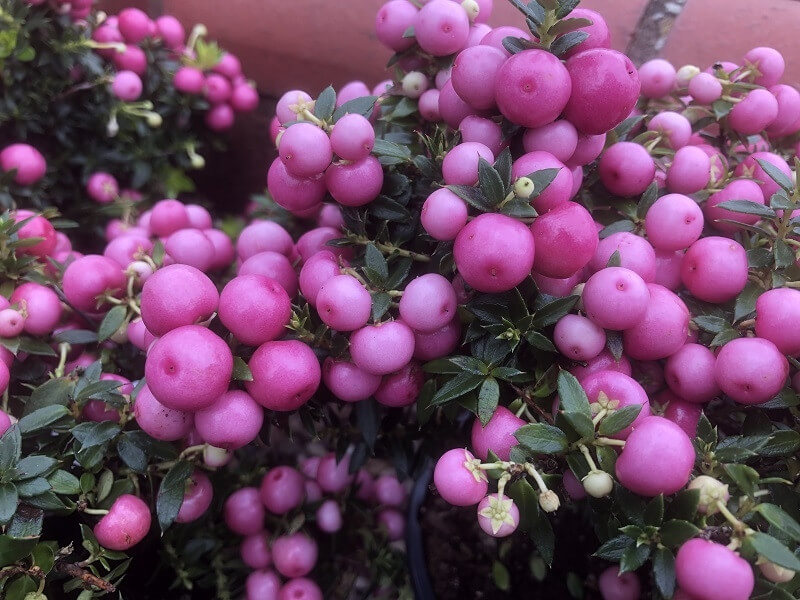
Although called “Pink,” the ripe berries of this ornamental shrub can develop deeper purple tones. Native to southern South America, these berries can be eaten but have a bland taste. They are often grown more for decoration than for flavor. They are a good example of plants that straddle the line between ornamental and edible in foraging conversations.
9. Açaí Berry (Euterpe oleracea)
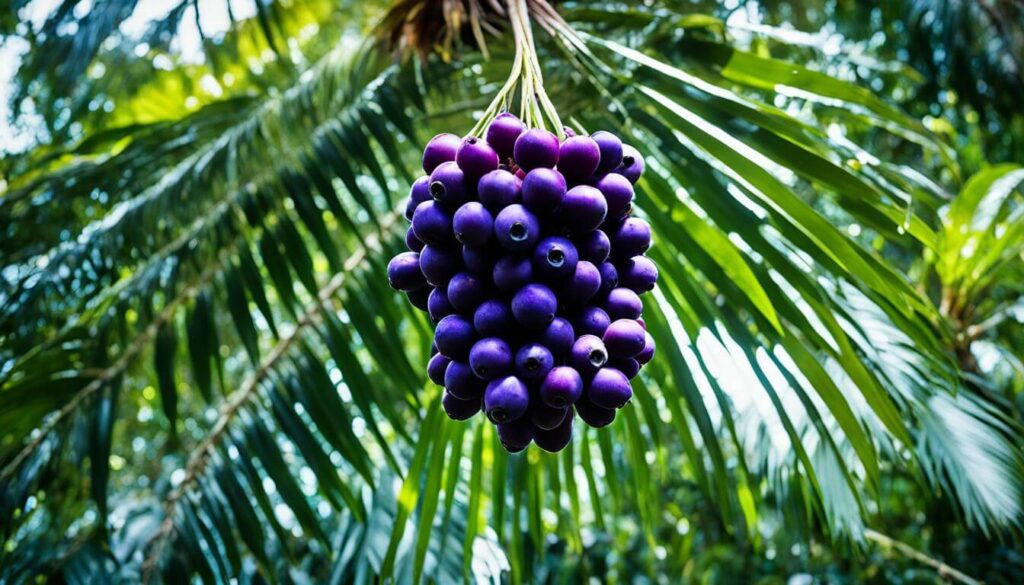
Harvested from Amazonian palm trees, açaí berries are small, dark purple fruits prized for their health benefits and intense, earthy flavor. They’re rarely eaten fresh due to their short shelf life; instead, they’re often frozen, powdered, or made into purées. Foragers in tropical regions see them as a high-energy, antioxidant-rich food source.
10. Purple Grapes (Vitis vinifera and others)
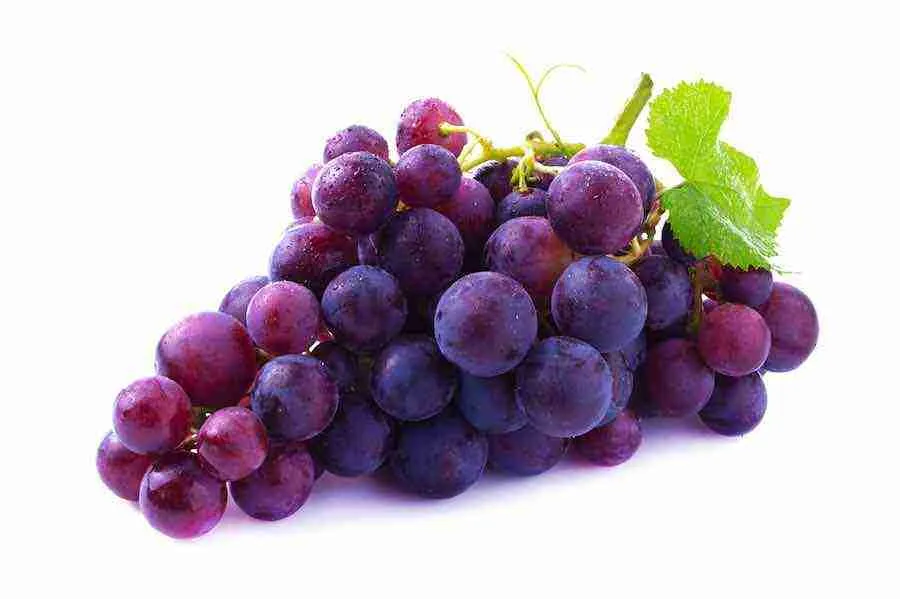
From wild riverbank grapes to cultivated varieties like Concord, Purple Grapes are among the most familiar edible berries. They have a sweet and slightly tart juice, making them great for eating fresh, drying into raisins, or turning into wine. Foragers will appreciate that wild grapes tend to have smaller, more acidic fruit — but their bold flavor can still shine in jams or juices.